Four to five days is the sweet spot for driving Grand Teton to Yellowstone. That gives you time to cover all 320 km from Jackson to Lamar Valley, watch Old Faithful erupt, stand over Grand Prismatic Spring, and still catch bison and wolves in the dawn light without rushing. You can rush the highlights in three days, but this is the greatest wildlife corridor in North America, and it rewards the people who slow down.
This is a stop-by-stop plan built around the real towns, lakes, and geyser basins along the Grand Teton to Yellowstone route. It is an easy, fully paved drive that suits any vehicle, including EVs, so the only real planning is where to stop, when to arrive, and how to sidestep the summer crowds.
The Grand Teton to Yellowstone drive at a glance
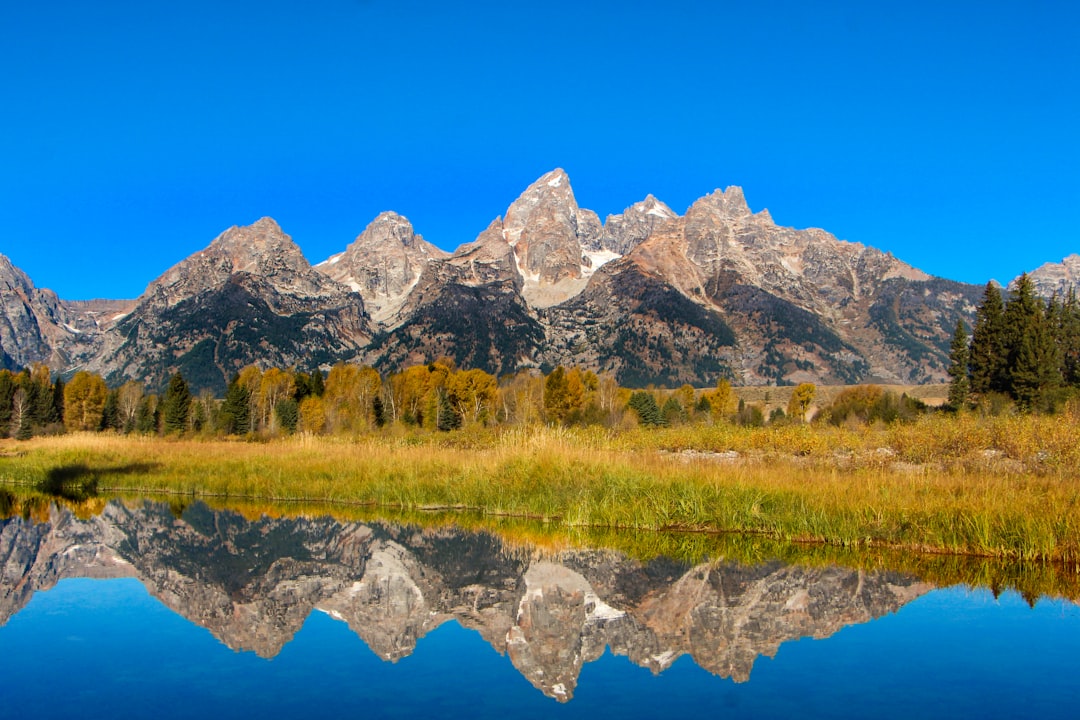
The route climbs out of Jackson Hole beneath the jagged Teton skyline, runs north past moose meadows and glacial lakes, and crosses into the world's first national park, where the ground erupts with geysers, prismatic hot springs, and mud pots. It is really two parks stitched together: the sharp granite drama of the Tetons, and the strange geothermal wonderland of Yellowstone.
- Distance: 320 km, Jackson to Lamar Valley
- Time needed: 3 to 5 days (4 is ideal for first-timers)
- Difficulty: easy, paved roads, any vehicle
- Best season: May to October
- EV-friendly: yes, with chargers in Jackson and at Yellowstone's developed villages
A word of caution before you go. Roads here are congestion-prone near Jenny Lake, Old Faithful, and Mammoth, so start early every day. Check the Grand Teton construction page and Yellowstone's date-specific road-opening page before each travel day, carry fuel through the long gaps, and never stop in a traffic lane for wildlife.
How many days do you need?
The honest answer depends on how much wildlife time you want. Here is what each length of trip realistically buys you.
| Trip length | What you fit | Best for |
|---|---|---|
| 3 days | Jenny Lake, Old Faithful, Grand Prismatic, one wildlife dawn | A fast loop through the headline sights |
| 4 days | All of the above plus Norris, Mammoth, and a full Lamar Valley morning | First-timers who want both parks properly |
| 5 days | The whole corridor at a gentle pace, extra hikes, and a second wildlife dawn | Photographers and slow travelers |
A three-day dash is the most common mistake. The wildlife that makes this drive famous appears at dawn and dusk, so every extra morning you have in the parks is worth more than another checklist stop.
Day 1: Jackson and the Tetons
Start in Jackson, the mountain town with an elk-antler arch on its town square and the Teton skyline looming to the north. Fuel up, stock a cooler, and grab breakfast at Persephone Bakery before you head into Grand Teton National Park.
Your first essential stop is Jenny Lake, a glacial lake at the foot of the Cathedral Group peaks. Take the boat shuttle across to the trailheads for Hidden Falls and Inspiration Point, one of the best short hikes in the park. Then drive to Snake River Overlook, the exact bend of the river that Ansel Adams immortalised with the Tetons rising behind it. At dawn, mist fills the valley floor and the peaks catch the first pink light. Schwabacher's Landing nearby is the other classic reflection spot if you want a second sunrise angle.
Day 2: North into Yellowstone and the geysers
Drive north past Colter Bay and through Flagg Ranch, the quiet corridor that links the two parks, and enter Yellowstone from the south. Make for Old Faithful, the world's most famous geyser, which erupts roughly every 90 minutes and sends boiling water up to 55 metres into the sky. Check the predicted eruption time at the visitor center, then time your lunch around it.
A short drive north is the sight that defines Yellowstone in photographs: Grand Prismatic Spring in the Midway Geyser Basin, a bulls-eye of deep blue ringed by blazing orange and yellow bacterial mats. Walk the boardwalk for the up-close scale, then take the short climb to the overlook for the full rainbow from above. Stay near Old Faithful or Madison for the night so you are close to the geyser basins in the morning.
Day 3: Norris and Mammoth Hot Springs
Begin at Norris Geyser Basin, Yellowstone's hottest and oldest thermal area, where Steamboat Geyser, the tallest active geyser on Earth, can throw water higher than a 30-storey building on its rare full eruptions. The basin's bleached, otherworldly flats feel more like another planet than a national park.
Continue north to Mammoth Hot Springs, where cascading travertine terraces of white and ochre mineral deposits are still actively growing, reshaping themselves year by year. Elk often graze the lawns around the historic village here, so keep your distance and your camera ready. This is a good base for the northern part of the park.
Day 4: Lamar Valley, America's Serengeti
Save the best wildlife for a dedicated dawn. Lamar Valley is often called America's Serengeti, its wide floor filled with bison herds while wolf packs hunt the edges at first and last light. Arrive before sunrise, pull fully off the road, and bring binoculars or a spotting scope. Pronghorn, elk, bears, and coyotes all move through the valley, and the reintroduced wolves are the reason wildlife watchers travel here from around the world.
If you have a fifth day, add a slower loop through Hayden Valley on the Canyon and Lake side of the park, a separate wildlife stop and not a substitute for Lamar, or double back for a second Lamar dawn. The valley looks different every morning.
When to drive Grand Teton to Yellowstone
The catalog season is May to October, when the interior roads are open and the passes are clear of snow. Midsummer brings the biggest crowds and the busiest parking lots at Old Faithful and Jenny Lake, so an early start is the single best tactic. Late May and September deliver thinner crowds, active wildlife, and, in autumn, the golden aspens and bugling elk of the rut.
Wildlife is both the reward and the risk here. Bison, elk, and bears appear at the roadside, and every year visitors are injured by getting too close. Keep well back, never stop in a driving lane for a photo, and check the road-opening pages, because interior roads and passes open on their own schedule each spring.
Frequently asked questions
How many days do you need for Grand Teton and Yellowstone?
Four days is ideal. It lets you cover Grand Teton's Jenny Lake and Snake River Overlook, see Old Faithful and Grand Prismatic Spring, explore Norris and Mammoth Hot Springs, and spend a full dawn watching wildlife in Lamar Valley. Three days covers the highlights if you keep moving, and five days suits photographers and anyone who wants a second wildlife morning.
Can you drive from Grand Teton to Yellowstone in one trip?
Yes. The two parks share a boundary and are linked by a quiet paved corridor through Colter Bay and Flagg Ranch, so most visitors drive them together. The full route runs about 320 km from Jackson to Lamar Valley, and it is easy driving suitable for any vehicle, including EVs.
When is the best time to drive Grand Teton to Yellowstone?
May to October, when the interior roads and passes are open. Midsummer is the most crowded, so start early each day. Late May and September bring thinner crowds and excellent wildlife, and autumn adds golden aspens and the elk rut. Always check Yellowstone's date-specific road-opening page before you travel.
Where is the best place to see wildlife in Yellowstone?
Lamar Valley in the northeast, often called America's Serengeti, is the marquee spot for bison, wolves, pronghorn, and bears, especially at dawn and dusk. Hayden Valley on the Canyon and Lake side is a strong second option. Arrive early, pull fully off the road, and bring binoculars.
Is the Grand Teton to Yellowstone drive suitable for any car?
Yes. The roads are fully paved and rated easy, so any vehicle handles them, including EVs, which can charge in Jackson and at Yellowstone's developed villages. The real challenges are summer congestion, long gaps between fuel stops, and wildlife on the road, not the driving itself.
Plan your drive
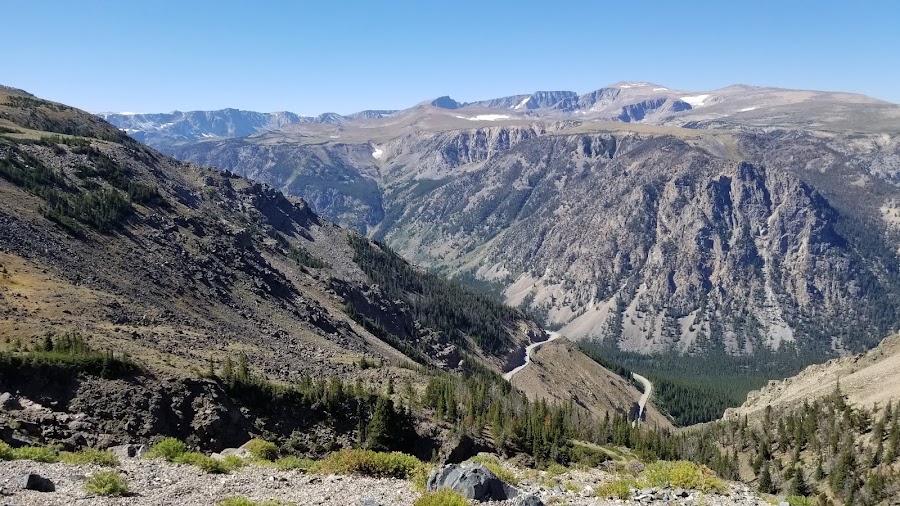
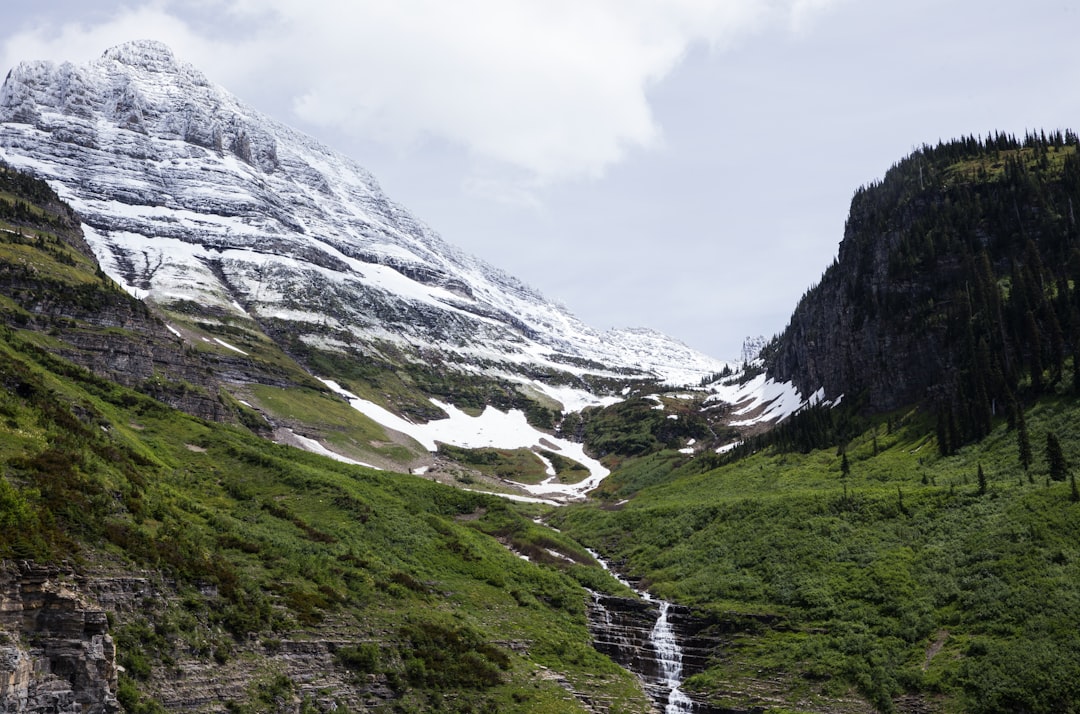
Ready to map it out? See the full Grand Teton to Yellowstone route guide for every stop in order, pair it with Montana's Beartooth Highway into Yellowstone's northeast gate or Glacier National Park's Going-to-the-Sun Road for a full Northern Rockies summer, and build your own version on the interactive map.