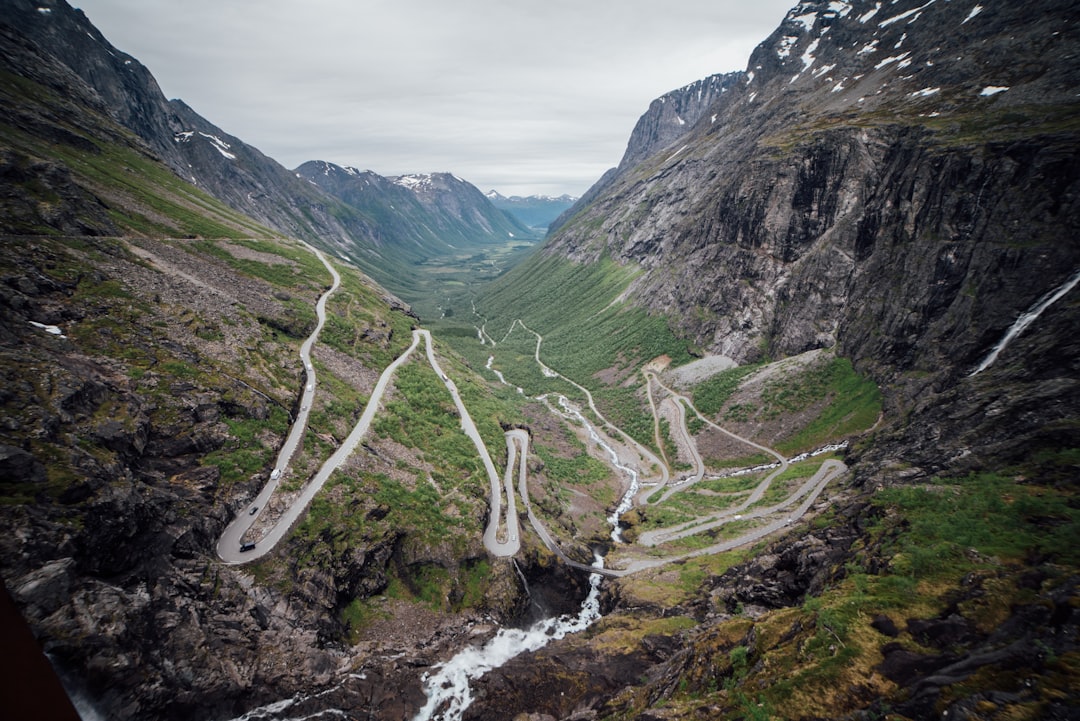
The best time to drive Trollstigen is high summer, from mid June to late August, when the eleven hairpins are reliably open, the Linge to Eidsdal ferry runs frequently, and Norway's long northern daylight gives you a full day for the fjords beyond. The road is a seasonal one, usually open only from May to October, so the real question is not just which month but which morning: rockfall risk and weather can close the Troll's Path at short notice, and you should confirm the same day before you set off.
Trollstigen climbs 850 metres out of the Istra valley on a 10 percent gradient, with the 180 metre Stigfossen waterfall crashing beside the tarmac. It is one of the most dramatic single days of driving in Europe, and getting the timing right is what separates an open, sunlit run to Geiranger from a locked barrier and a wasted detour.
When is Trollstigen open?
Trollstigen is closed by snow for roughly half the year. The catalog season is May to October, and in a normal year the pass opens in mid to late May once crews have cleared the drifts, then closes again with the first heavy autumn snowfall, usually sometime in October. The exact opening and closing dates shift every year with the weather, and the road can also shut mid season for rockfall or maintenance.
That variability is the whole reason to plan around a confirmed status rather than a calendar. Check 175.no and the Norwegian Public Roads Administration (Vegvesen) traffic feed the same morning you intend to drive, along with the Linge to Eidsdal ferry schedule. If the barrier is down, the standard fallback is to reach Geiranger by a different corridor and drive the hairpins another day.
The best months, compared
Here is how the drivable season breaks down. Daylight figures are approximate for this latitude in western Norway.
| Period | Road status | Crowds | Daylight | Verdict |
|---|---|---|---|---|
| Mid to late May | Newly opened, snow walls on the pass | Light | About 18 hours | Dramatic but check daily |
| June | Open, long days begin | Building | Up to 19 hours | Excellent, fewer coaches early June |
| July | Fully open, peak season | Heaviest | About 18 hours | Best weather, worst queues |
| August | Open, warm and green | Heavy, easing late | About 15 hours | The sweet spot overall |
| September | Open, autumn colour | Lighter | About 12 hours | Beautiful, cooler, shorter days |
| October | Open until first snow | Quiet | Under 11 hours | A gamble, closures likely |
If you only pick one month
Choose August. You keep long, warm days and a high chance the pass and ferry are both running, while the thickest July coach traffic starts to thin in the final week. June is a close second for daylight, and early June often has noticeably fewer tour buses. Photographers who do not mind cooler air and a real chance of an early closure should look at mid September, when the birches turn gold above the switchbacks and the light goes long and low.
Weekday and time of day matter as much as the month
Even in peak season, the drive is far better early. Start from Åndalsnes soon after breakfast. The Trollstigen car park and the cantilevered viewpoint fill with coach groups from late morning, and the single lane hairpins bottleneck when two buses meet. An early start also buys you margin for the Linge to Eidsdal ferry, which runs often in summer but can back up with a queue on busy afternoons.
Midweek beats weekends for local traffic, and a clear forecast matters more here than almost anywhere. The viewpoints over Stigfossen and down the valley are the point of the drive, and low cloud can erase them entirely. If the morning is socked in, it is often worth waiting a few hours for the fog to lift.
What the drive gives you at the right time
Done in summer, the corridor is a full, unhurried day. From Trollstigen the official route runs from Åndalsnes, at the foot of Trollveggen, Europe's tallest vertical rock face at 1,100 metres, up over the pass and on through the Gudbrandsjuvet gorge to Valldal, a fjordside village whose short Arctic summer produces famously sweet strawberries from roadside stalls that open in late June. After the ferry, the road climbs to the Ørnesvingen eagle bend and drops into Geiranger with the Flydalsjuvet viewpoint as the finish.
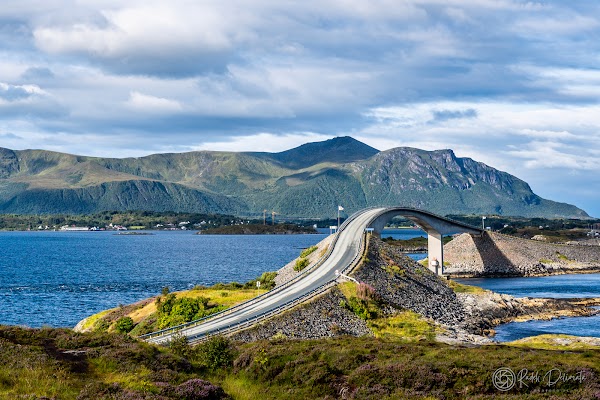
It is a compact day on paper, about 105 km plus the ferry, but the stops, photo pulls, and queues make it a comfortable full day rather than a quick transfer. If you are chaining Norwegian drives together, the nearby Atlantic Ocean Road pairs naturally as a second day, and both sit within our wider collection of mountain passes.
One practical limit worth noting: the current maximum vehicle length on Trollstigen is 13.30 metres, so larger motorhomes and long trailers are not permitted on the hairpins.
Frequently asked questions
What months is Trollstigen open?
Trollstigen is usually open from about mid to late May until the first heavy snow in October, so May to October is the working window. Opening and closing dates move every year, and the pass can close mid season, so always confirm on 175.no or the Vegvesen traffic feed the same morning.
When is Trollstigen least crowded?
The quietest drivable times are the first days after opening in May, early June before the coach season peaks, and September once the summer holidays end. July is the busiest month by a wide margin.
Can you drive Trollstigen in winter?
No. The pass is closed and gated through the winter and is not maintained for traffic once the snow arrives. If you are in the region in the cold months, the fjord towns are reached by lower roads and tunnels instead.
How long does it take to drive Trollstigen?
The signed corridor from Åndalsnes to Geiranger is about 105 km plus a short ferry crossing, and the route is planned as a single day. With the viewpoints, the Valldal stop, and possible ferry queues, allow a relaxed full day rather than a couple of hours.
Do I need to book the Linge to Eidsdal ferry?
The Linge to Eidsdal ferry does not take advance car bookings and runs frequently in summer, so you simply join the queue. On busy afternoons that queue can be long, which is another reason to drive the pass early and reach the ferry before the midday rush.
Time your run for a clear summer morning, confirm the road and ferry the same day, and Trollstigen delivers one of the finest driving days in Norway. Read the full route guide for Trollstigen, then open the interactive map to plan the fjords beyond Geiranger.