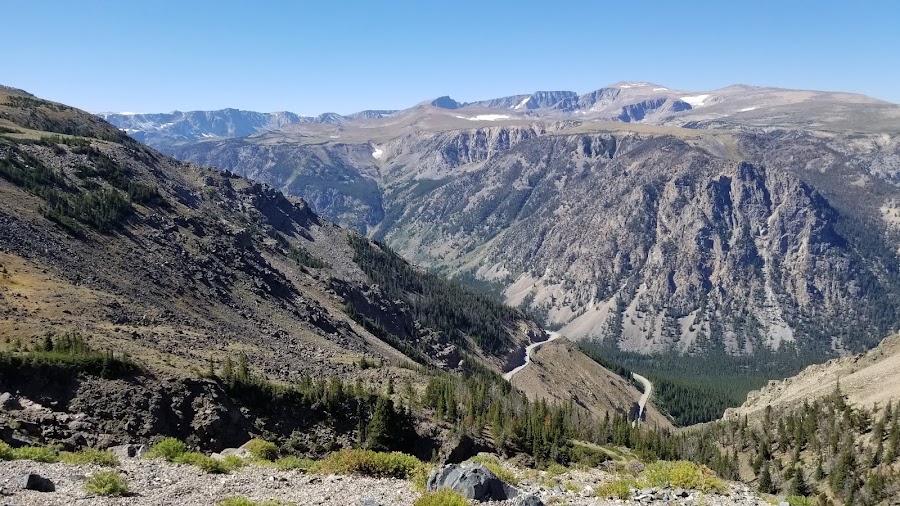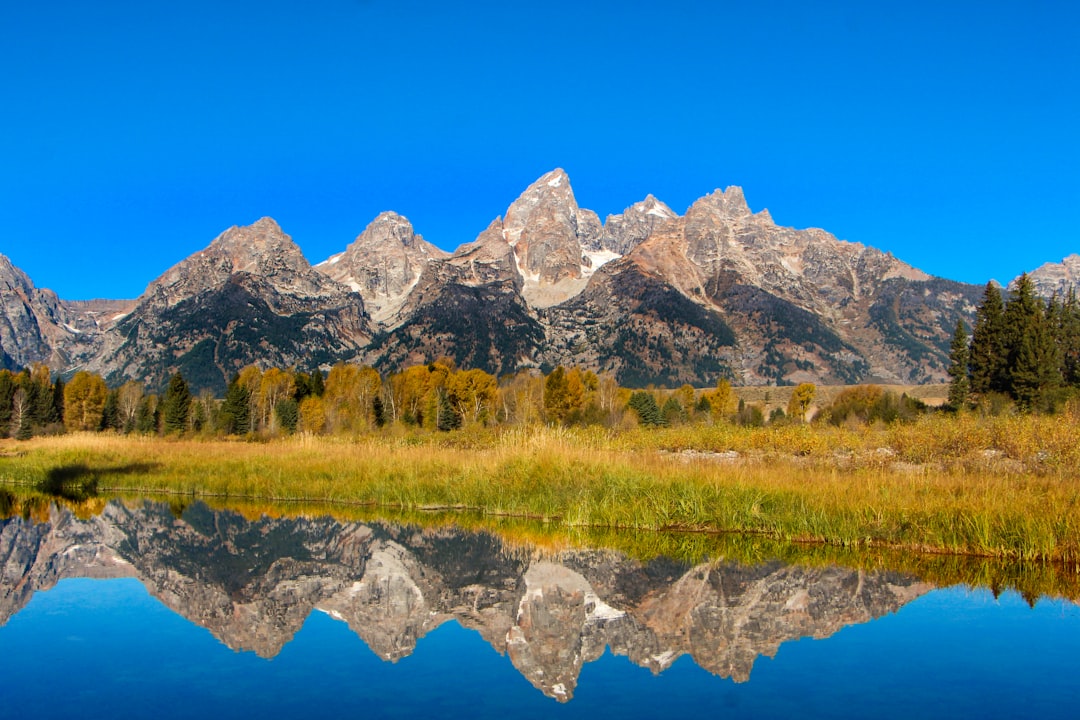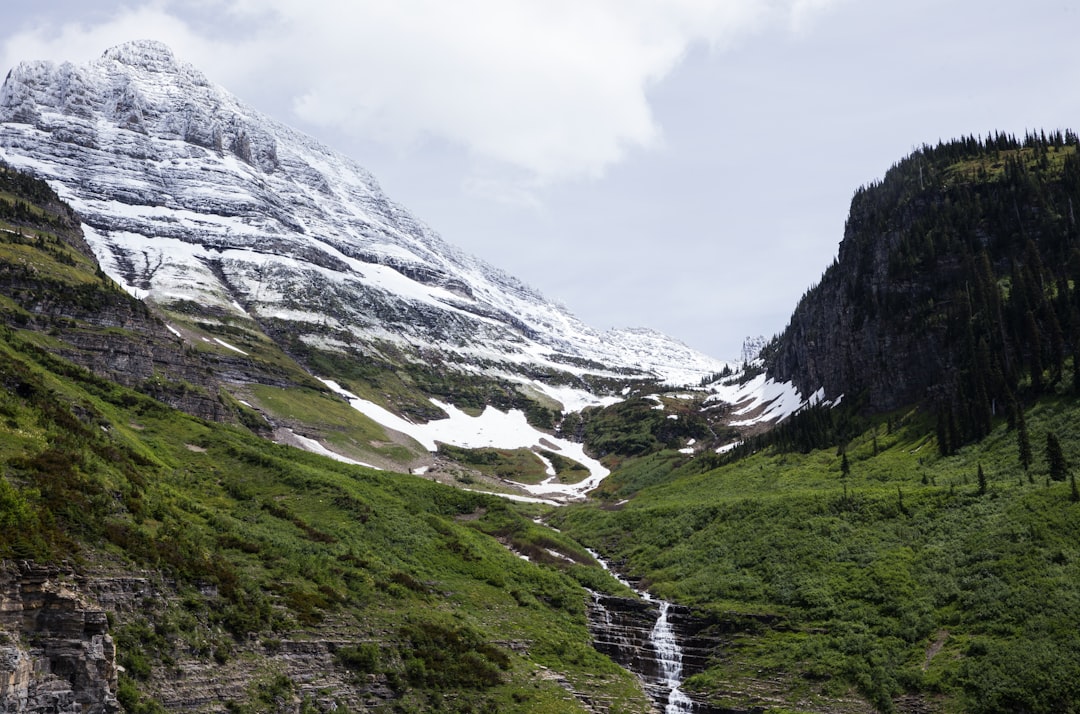
The best time to drive the Going-to-the-Sun Road is mid-July to early September, when the full road is open, Logan Pass is clear of snow, and the alpine meadows are at their flowering peak. This is the only stretch of the year when you can reliably cross the entire 80 km without a snow gate turning you back partway.
The road climbs across the Continental Divide inside Glacier National Park, Montana, and snow keeps most of it closed for the majority of the year. It typically opens fully in late June to early July and closes again around mid-October, so your real planning window is narrow. Getting the timing right is the single biggest factor in a good trip here.
The short answer
- Best overall: mid-July to early September, with the whole road open and wildflowers out at Logan Pass.
- Opening date: the full road usually opens late June to early July, but crews cannot promise a date. Snow depth decides it.
- Quietest good window: September, after the school-holiday crowds thin but before the first hard snow.
- Closed or partial: mid-October to late June, when the alpine section over Logan Pass is gated for snow.
- Reservation tip: timed-entry vehicle reservations apply in peak season, so book before you go.
Why the season is so short
Going-to-the-Sun Road is a genuine high-alpine road, topping out at Logan Pass at 2,026 m, and it collects enormous snow loads through winter. Plowing the upper section is a months-long job that starts in spring and finishes only when the last drifts near Logan Pass are cleared, usually in late June. Until that final push is done, gates below the pass turn cars around on both the west and east sides.
That is why the catalog lists the drivable season as July to September. You can often reach Lake McDonald or Avalanche Creek from the west much earlier in the year, but the scenic heart of the drive, the Garden Wall and Logan Pass, is the part that stays locked until midsummer.
Season by season
Late spring (May to late June)
The lower west side around Lake McDonald is usually open and beautiful, with the lake's clear water showing the polished red and green stones on its bottom. But the road over Logan Pass is still being plowed, so you cannot cross the divide. Come now only if a lower, out-and-back drive to Avalanche Creek suits you, and check the park's plowing progress first.
Summer (July to August)
This is the classic window and the busiest. The full road is open, waterfalls cascade across the pavement, and bighorn sheep and mountain goats graze the meadows around Logan Pass. Days are warm and long, and the Highline Trail from Logan Pass is at its best. The trade-off is crowds and reservations: this is peak timed-entry season, parking at Logan Pass fills by mid-morning, and you should start early or drive in the evening.
Early fall (September)
Many regulars call September the sweet spot. The full road is normally still open, the summer crowds ease after Labor Day, and the light turns low and golden across St. Mary Lake. Nights get cold and the first snow can dust the peaks, which only improves the views. Carry layers and watch the forecast, because an early storm can close Logan Pass at short notice.
Late fall and winter (mid-October to April)
Once snow returns, the alpine section closes, often by mid-October, and stays shut through winter and spring. The road does not fully reopen until the next summer's plowing is complete. You can still visit the west side on foot, ski, or snowshoe, but you cannot drive the crossing.
How long do you really need?
The catalog duration is 1 to 2 days for the 80 km crossing, and that is honest. You can drive it end to end in a couple of hours, but the point is to stop: the Trail of the Cedars loop at Avalanche Creek, the goat ledges of the Garden Wall, the Hidden Lake Overlook trail at Logan Pass, and the turquoise of St. Mary Lake at the eastern end.
Give yourself a full day to drive it slowly with short hikes, or two days if you want to base at Lake McDonald Lodge and tackle a longer trail like the Highline. The road is only moderate in difficulty and suits any vehicle, though size restrictions apply above Avalanche Creek, so leave the large RV or trailer outside the park.
Timed entry and reservations
During peak season the park requires a timed-entry vehicle reservation to drive the corridor during daytime hours, on top of your park entrance pass. These release in advance and go quickly, so plan ahead. If you miss one, entering before the early-morning window or after the evening cutoff is the usual workaround, and it also happens to be when the light and the wildlife are best.
Month-by-month quick guide
| Month | Road status | Verdict |
|---|---|---|
| Nov to Apr | Alpine section closed for snow | Off-season, west side only |
| May to late Jun | Lower west side open, pass still plowing | Partial, check progress |
| Jul to Aug | Full road open, peak crowds | Best scenery, book reservations |
| Sep | Usually fully open, quieter | Best of all |
| Oct | Full road until the first snow closes it | Gamble on weather |
What to plan around
Even in the ideal weeks, this is a mountain road and it rewards preparation:
- Layers, always. Logan Pass can see sudden severe weather even in July. Warm days at the lake can turn to sleet at the pass in an hour.
- An early start. Parking at Logan Pass and the popular trailheads fills by mid-morning in summer. First light means space and wildlife.
- A reservation and an entrance pass. Check current timed-entry rules before you travel, and buy your park pass in advance.
- The opening date. If you are coming in June, confirm the full road is actually open before you build a trip around the crossing.
The scenery here is world-class, but the calendar runs the show. Match your dates to the open road and Going-to-the-Sun rewards you with the finest mountain drive in the American Rockies.
Frequently asked questions
When does Going-to-the-Sun Road fully open?
The full road, including the crossing over Logan Pass, usually opens between late June and early July, once crews finish plowing the alpine section. The exact date changes every year with snow depth, so the park cannot promise it in advance. Always confirm before planning a trip around the crossing.
Do you need a reservation to drive Going-to-the-Sun Road?
In peak season, yes. The park requires a timed-entry vehicle reservation to drive the corridor during daytime hours, in addition to a park entrance pass. Reservations release ahead of time and sell out fast, though entering before the morning window or after the evening cutoff is a common workaround.
Can you drive Going-to-the-Sun Road in September?
Yes, and many drivers prefer it. The full road is usually still open in September, the summer crowds thin after Labor Day, and the light is at its best. Pack for cold nights and watch the forecast, because an early snowstorm can close Logan Pass with little notice.
How long does it take to drive Going-to-the-Sun Road?
The 80 km crossing takes only a couple of hours nonstop, but the catalog suggests 1 to 2 days so you can actually stop at Lake McDonald, Avalanche Creek, the Garden Wall, Logan Pass, and St. Mary Lake. A full unhurried day is the sweet spot.
Is Going-to-the-Sun Road hard to drive?
It is rated moderate. The road is fully paved and suits any car, but it is narrow with steep drop-offs and no guardrail in places, so drive slowly and let faster traffic pass. Vehicle size restrictions apply above Avalanche Creek, so leave large RVs and trailers outside the park.
Plan your own trip
See every stop, the practical notes, and the full mapped route on our Going-to-the-Sun Road guide, or open it on the interactive map to plan your pace.
Chasing more high-alpine drives with a short season? Time your visit to the Beartooth Highway or extend the trip south into Grand Teton and Yellowstone, and browse the full Mountain Passes collection for more.