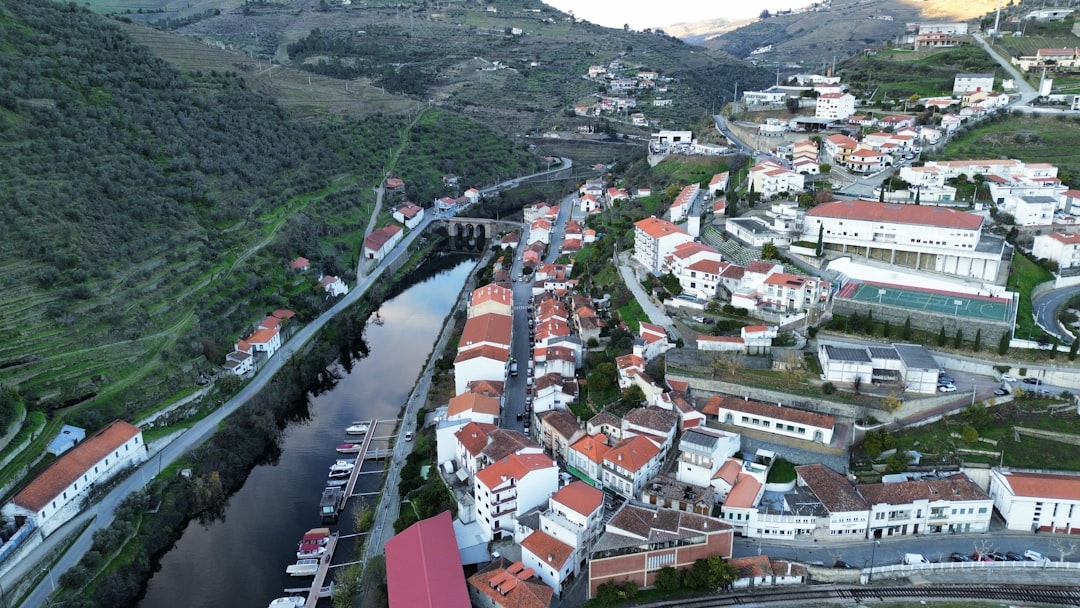
The best time to drive Portugal's Douro Valley is September and October, during the vindima, when the terraced vineyards turn gold and red and the quintas open their cellars for the port harvest. The catalog season is September to October for exactly this reason. The grapes come in, the schist hillsides above the river are at their most colourful, and the summer heat inland has finally eased. Spring is the strong second choice, green and quiet, but autumn is when the whole valley is working and the harvest is happening in front of you.
The Douro Valley Wine Route runs 320 km east from Porto through the oldest demarcated wine region in the world, following the river past baroque manor houses and centuries-old quintas carved into schist terraces. It is an easy four-day drive, but the timing decides whether you arrive for the harvest or for a shuttered cellar in the off season.
When is the Douro harvest?
The Douro vindima runs through September and into October, earlier in the hot lower valley near Peso da Régua and later in the cooler Upper Douro. This is the region's busiest and most atmospheric window. Pickers work the steep terraces by hand because machines cannot climb them, and a handful of traditional quintas still tread the grapes by foot in granite lagares. Booking a harvest visit or a foot-treading evening is why many people time their trip for these weeks.
Because the quintas are working, you cannot turn up unannounced. Reserve every cellar visit for a confirmed time and language, and check restaurant and museum hours before you count on them. Walk-ins are rare, especially in harvest season.
The best months, compared
Here is how the year breaks down for a self-drive along the river.
| Period | Vineyards | Crowds | Weather | Verdict |
|---|---|---|---|---|
| Dec to Feb | Bare terraces, green scrub | Very light | Cold, wet, misty | Quiet and cheap, limited cellar hours |
| Mar to May | Budding then lush green | Building | Mild, some rain | Excellent, green terraces and flowers |
| Jun to Aug | Full green canopy | Heaviest | Very hot inland | Beautiful, but the heat is punishing |
| September | Ripening to gold, harvest begins | Heavy | Warm, easing | The peak, book everything early |
| October | Autumn colour, late harvest | Easing | Cooler, crisp | The sweet spot overall |
| November | Leaves falling, cellars quieten | Light | Cool, wetter | Calm and atmospheric, shorter days |
If you only pick one month
Choose October. You still catch the tail of the harvest in the Upper Douro, the terraces are at their reddest, the fierce summer heat is gone, and the September crowds and prices have started to ease. September is the close second and the safer bet if seeing active picking and treading matters most to you, though it is busier and hotter. If autumn does not suit your calendar, aim for late April into May, when the terraces are green and the roads are quiet.
Why summer is the hard season here
The Douro is one of the hottest corners of Portugal. Shut in by its schist walls, the valley traps heat through July and August, and afternoons inland regularly climb into the high 30s Celsius. The driving is still easy and the river looks superb, but tasting through a hot afternoon is heavy going, and the vines have not yet turned. If summer is your only option, drive the river early and keep the middle of the day for a long lunch or a boat trip rather than back to back cellars.
What the drive gives you at the right time
Timed for autumn, the route is an unhurried four days from west to east. From Porto, with its port lodges across the river mouth, the road runs inland through Amarante, a granite riverside town with a 16th century monastery and an arched bridge over the Tâmega. It climbs to Vila Real and the rococo Mateus Palace, then drops to Peso da Régua, the port capital where the world's first demarcated wine region officially begins.
Above Régua sits Lamego, a baroque hill town crowned by the Nossa Senhora dos Remédios shrine at the top of a 686-step staircase. The signature stop is Pinhão, whose azulejo tiled station stands above the river's most photographed bend, ringed by terraced quintas. The route ends quietly at Pocinho in the Upper Douro, close to the prehistoric rock art of the Côa Valley. Plan on staying in the Upper Douro for the final day unless you have arranged a return transfer, because it is a long way back to Porto.
A self-drive Douro trip needs one designated driver who does not taste. If everyone wants to work through the ports, book a driver or a transfer for the tasting days. The valley is part of our wider collection of wine and food routes, and travellers chaining vineyard drives together often pair it with Tuscany's Chianti Road.
Frequently asked questions
When is the best time to visit the Douro Valley?
September and October, during the harvest, are the best months. The terraces turn gold and red, the quintas are working and open for visits, and the extreme summer heat has passed. Late spring is the strong alternative for green terraces and quieter roads.
When is the Douro grape harvest?
The vindima runs through September and into October, starting earlier in the warmer lower valley near Peso da Régua and finishing later in the cooler Upper Douro. Grapes are picked by hand on the steep terraces, and some quintas still tread them by foot in granite lagares.
Is the Douro Valley too hot in summer?
It can be. The valley is one of the hottest parts of Portugal, and July and August afternoons inland regularly reach the high 30s Celsius. The drive itself is fine, but midday tastings are hard work, so start early and rest through the hottest hours.
How many days do you need to drive the Douro?
Plan four days to follow the river properly from Porto to Pocinho, stopping at Amarante, Vila Real, Peso da Régua, Pinhão and Lamego. That pace leaves room for cellar visits and long lunches rather than a rushed transfer.
Do you need to book Douro wineries in advance?
Yes. Reserve every quinta visit for a confirmed time and language, and do not assume a cellar takes walk-ins, especially during the harvest. Verify restaurant and museum hours too, because many are seasonal.
Time your run for the harvest weeks, book the quintas before you go, and the Douro gives you the whole valley in motion. Read the full route guide for the Douro Valley Wine Route, then open the interactive map to plan your stops from Porto to the Upper Douro.
