Hexi Corridor
China
In short: Hexi Corridor is a About 1,400 km including site trips historical road trip in China, typically driven over 8 days, best in Apr–Jun / Sep–Oct. Highlights: Lanzhou, Zhangye and Danxia, Mati Temple.
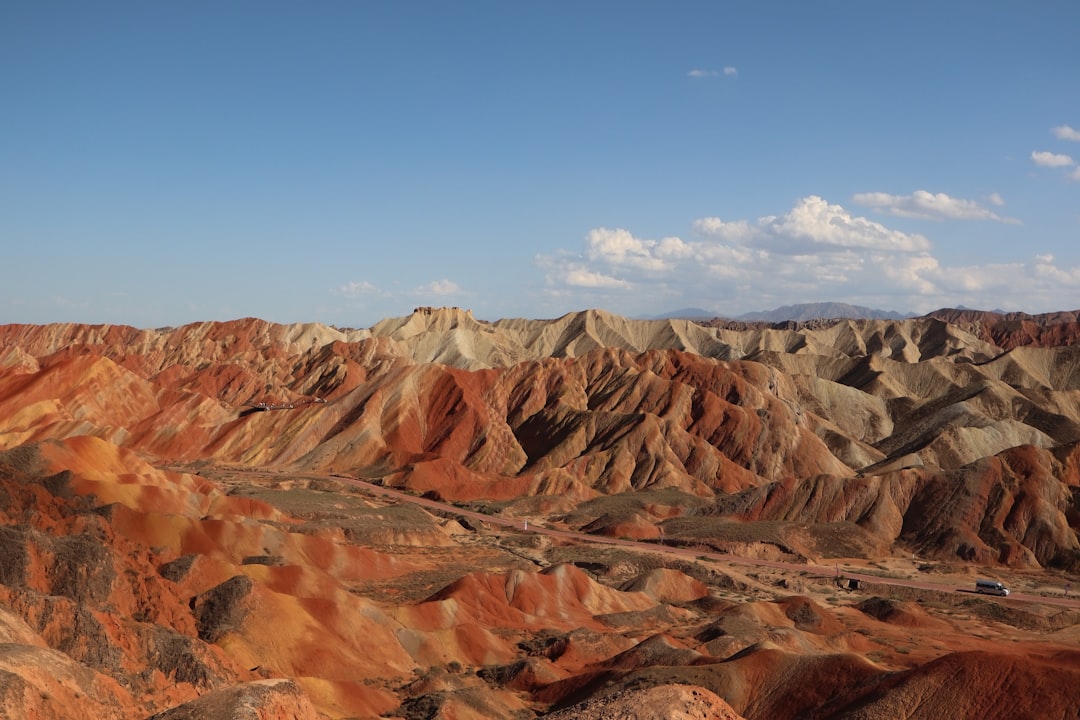
Follow the classic Hexi Corridor west from the Yellow River at Lanzhou to Zhangye's Giant Buddha, rainbow hills, and Mati Temple, then Jiayuguan's frontier fortress and the oasis of Dunhuang. The final two days pair the Singing Sand Dunes with one correctly sequenced, advance-reserved Mogao visit; distant Yumenguan belongs to a separate extra day west of Dunhuang and is not included in this efficient eight-day line.
Make this route yours
Set your dates, pace, and taste, and RoadAtlas AI rebuilds this trip day by day with real, verified places.
Included with Traveler and Explorer plans.
Plan this trip
Third-party planning links may be affiliate links. RoadAtlas stays independent, and you should verify details with the provider.
Day-by-day itinerary
Day 1Lanzhou
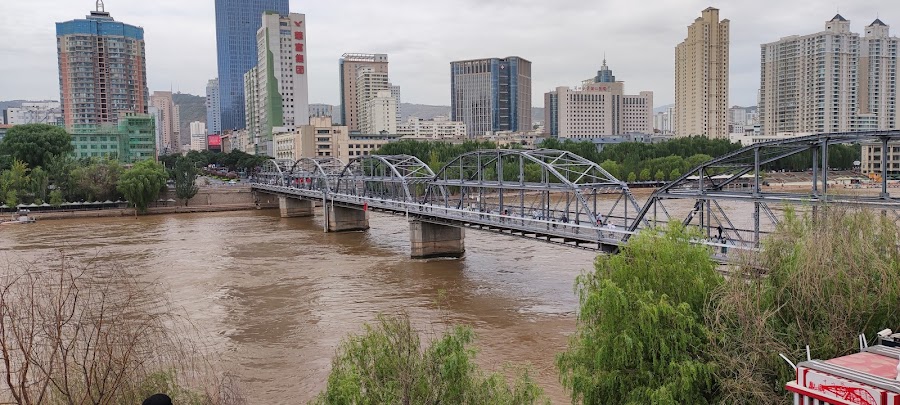
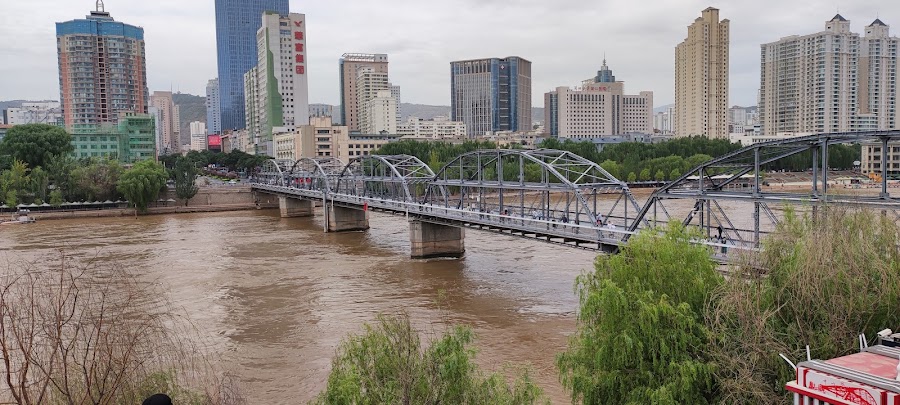
Lanzhou Waterwheel Park · Lanzhou Yellow River Scenic Line · Wumule Penghui Beef Noodles
Day 2Lanzhou to Zhangye via Wuwei
Hexi Corridor transfer via Wuwei · Junle Beef Noodles
Day 3Zhangye and Danxia
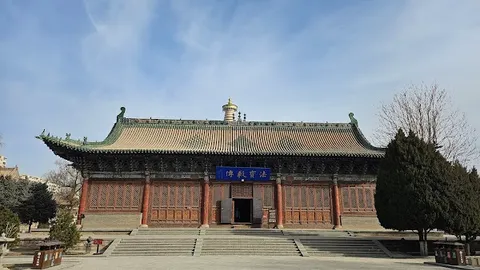
Zhangye Giant Buddha Temple · Zhangye Danxia viewpoints · Gan Zhou Ming Chi
Day 4Mati Temple day trip from Zhangye
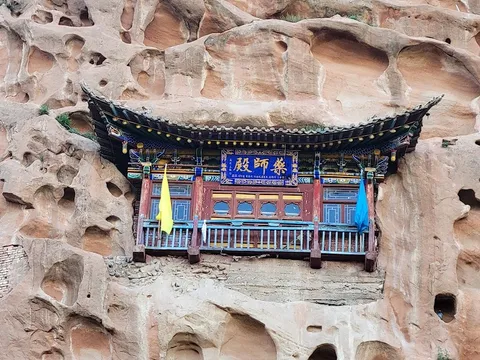
Mati Temple grottoes · Qilian foothills return drive · Qilian Lamb Restaurant
Day 5Zhangye to Jiayuguan
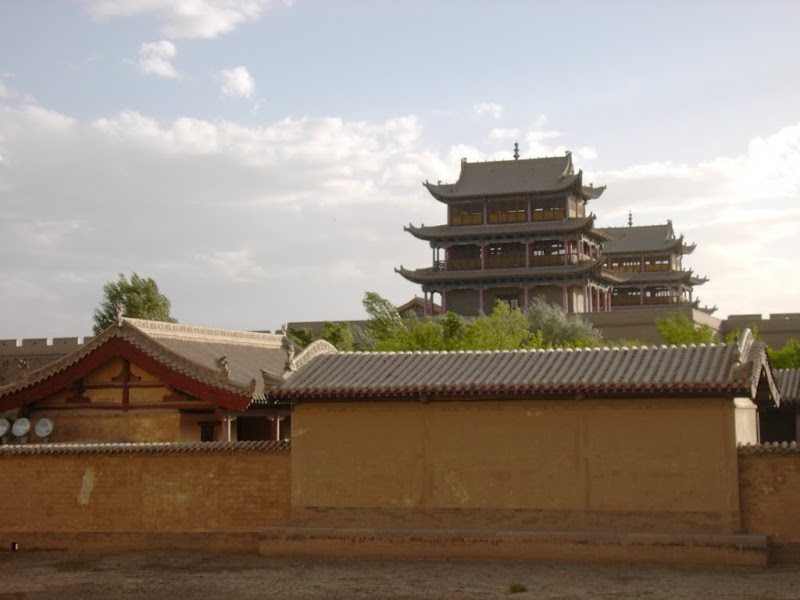
Zhangye to Jiayuguan transfer · Jiayuguan Pass fortress and museum · Damo Nangkeng Rou
Day 6Jiayuguan to Dunhuang via Guazhou
Jiayuguan to Dunhuang transfer · Shazhou Market orientation · Gu Xiang Noodle House (Jianshe East Road branch)
Day 7Dunhuang Museum and Mingsha Mountain
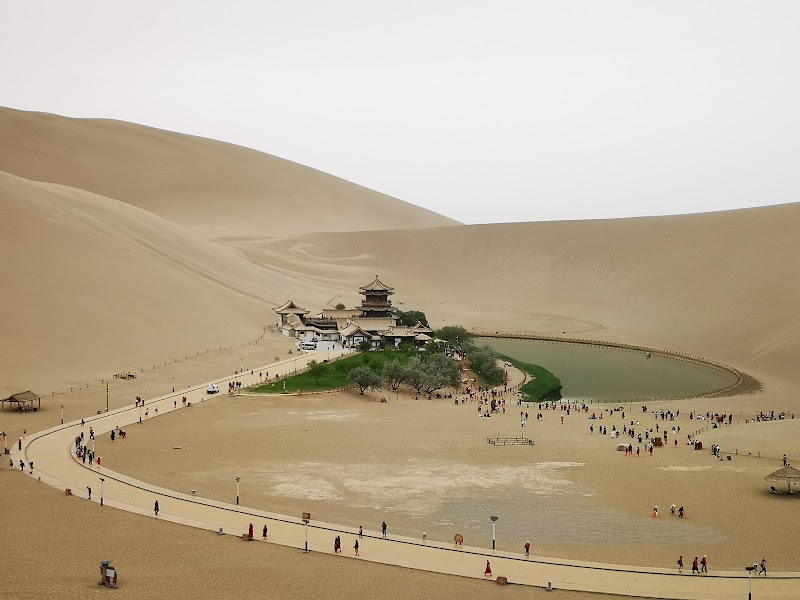
Dunhuang Museum · Mingsha Mountain and Crescent Moon Spring · Zhouji Menbingzi
Day 8Mogao Caves, Dunhuang finale
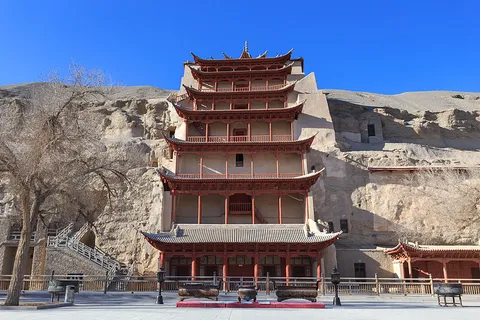
Mogao Caves official timed visit · Fulida Food City
Stops along the route
Things to Do
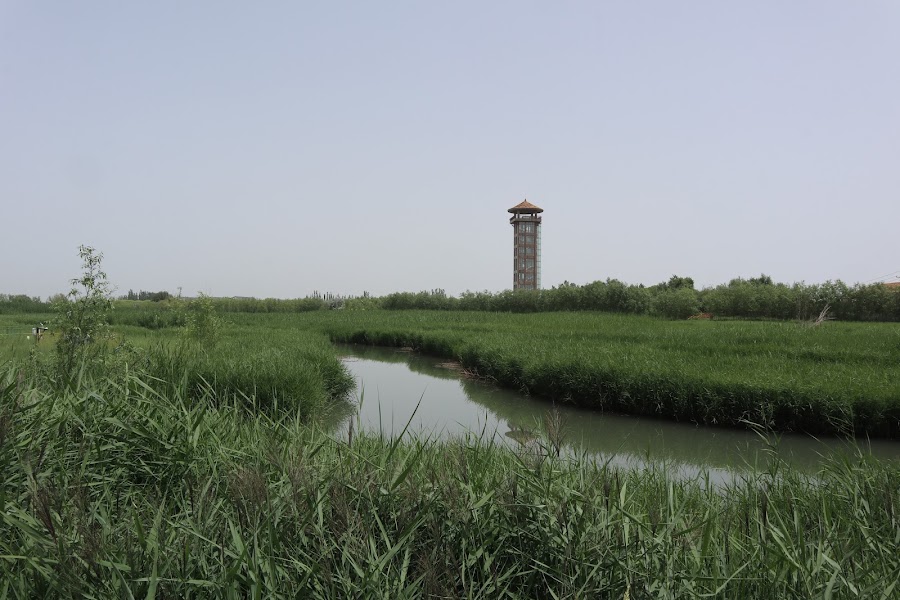
Show 4 more
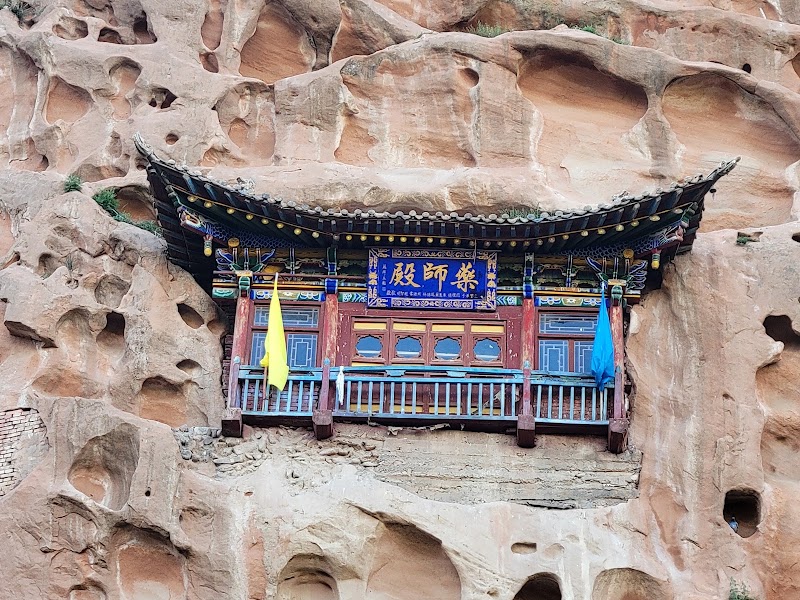
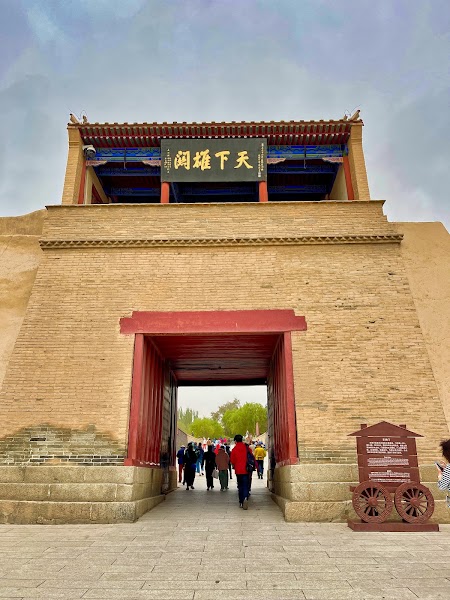
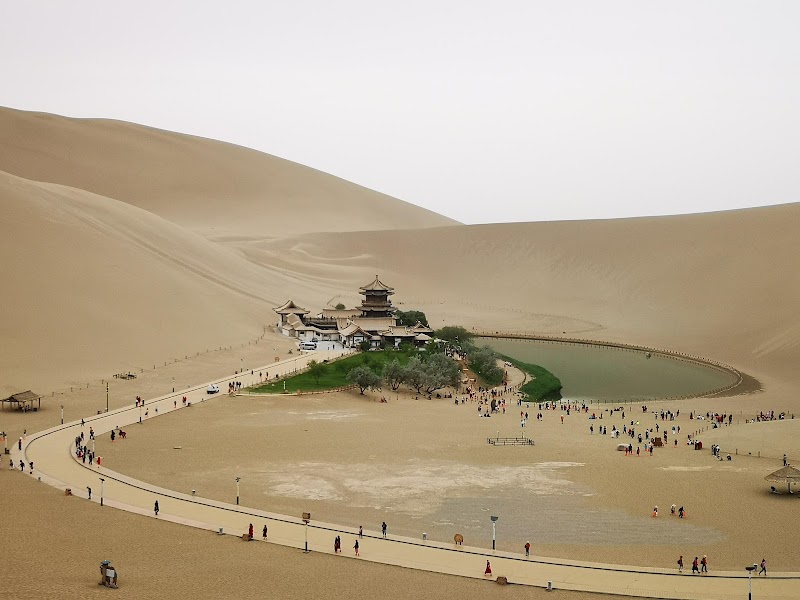
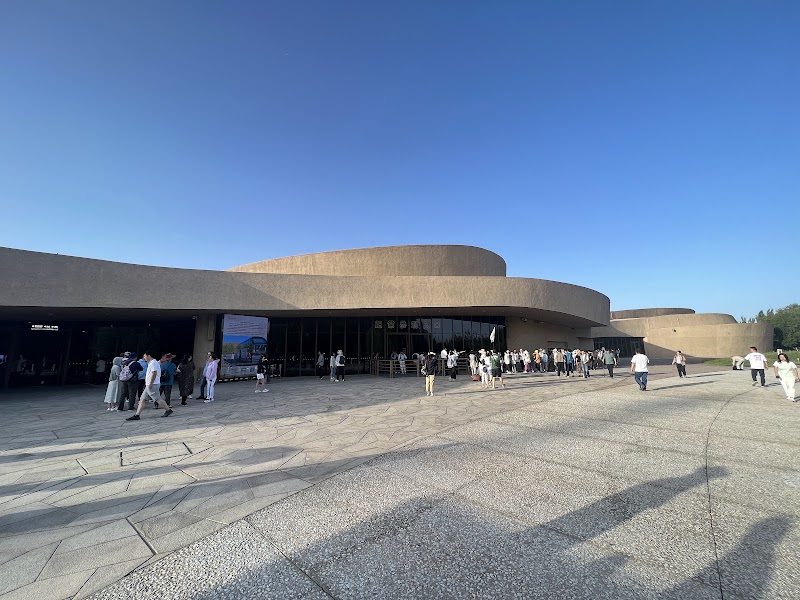
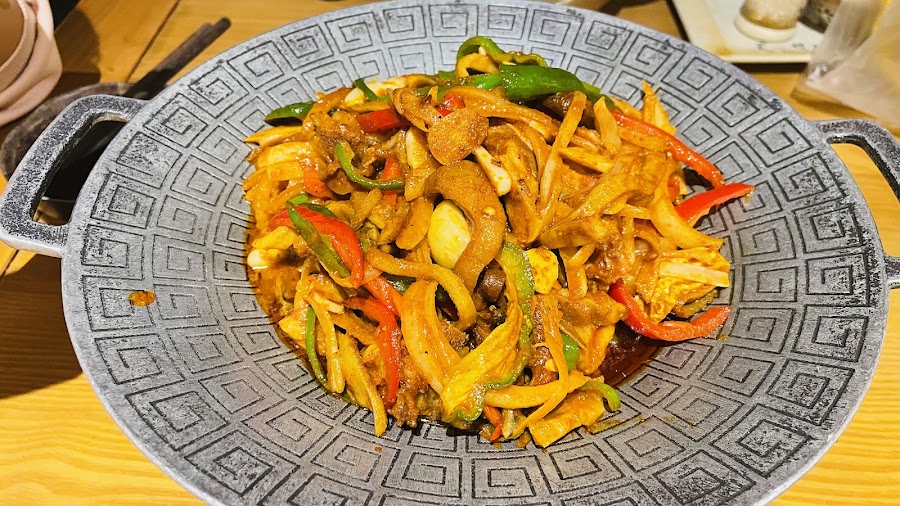
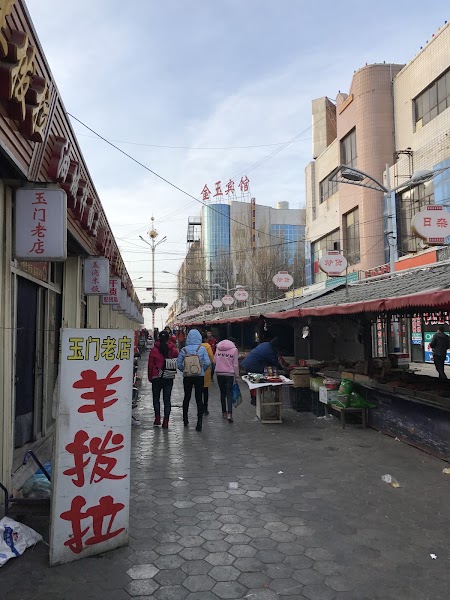
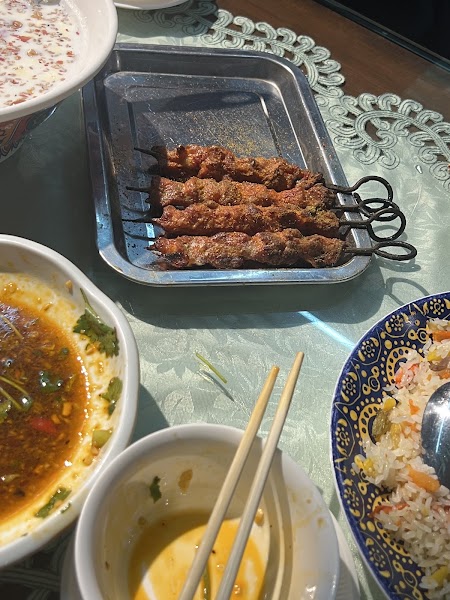
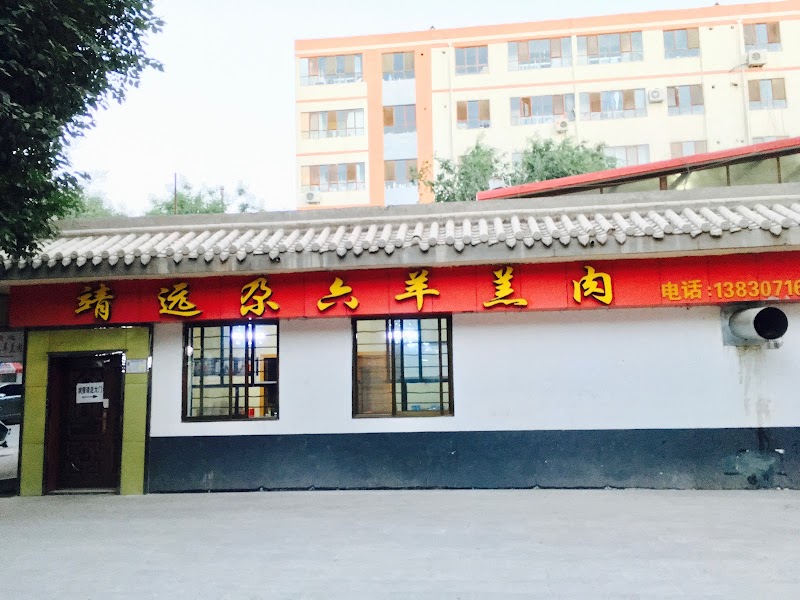
Where to Eat
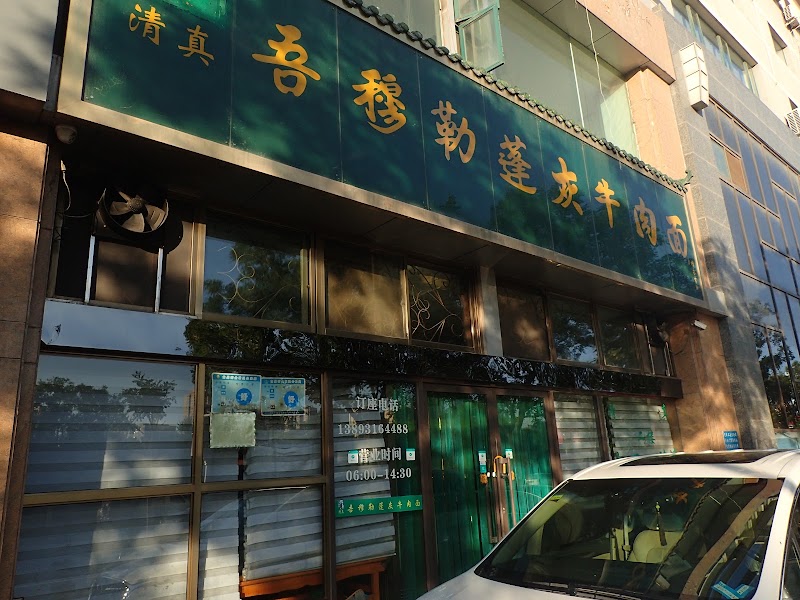
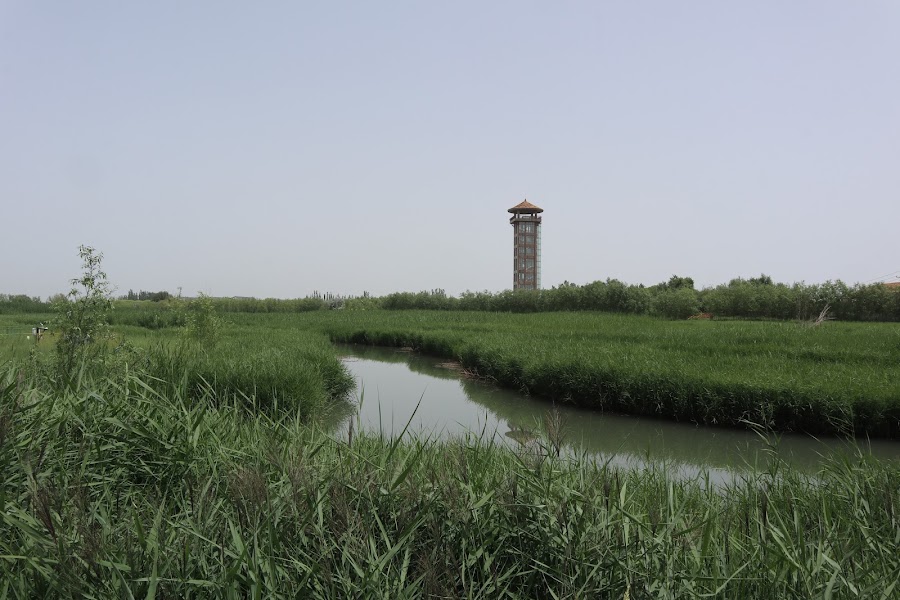
Show 2 more
Nearby and similar drives
Frequently asked questions
How long is the Hexi Corridor drive?
The Hexi Corridor covers About 1,400 km including site trips from start to finish.
How long does the Hexi Corridor take to drive?
Most travellers spend 8 days on the Hexi Corridor, depending on stops and pace.
When is the best time to drive the Hexi Corridor?
The recommended season for the Hexi Corridor is Apr–Jun / Sep–Oct.
Where does the Hexi Corridor start and end?
The Hexi Corridor runs from Lanzhou to Mogao Caves.
What are the main stops on the Hexi Corridor?
The Hexi Corridor passes through Lanzhou, Zhangye and Danxia, Mati Temple.
How difficult is the Hexi Corridor to drive?
The Hexi Corridor is rated moderate and is best handled with any vehicle.
Can I drive the Hexi Corridor in a regular car?
Yes — the Hexi Corridor is paved end-to-end and a regular car is fine in normal conditions.
Do I need a permit or border paperwork for the Hexi Corridor?
Yes — the Hexi Corridor requires permits, fees, or border paperwork. Plan ahead: A foreign licence or IDP alone does not authorize driving in mainland China: arrange a Chinese temporary/provisional driving permit, the required Chinese translation, and a rental company that accepts the documents before departure. Mogao uses real-name timed admission; reserve through the official Mogao reservation WeChat account or mini-program (foreign-passport users choose “Ticket Booking”), carry the same passport, follow the confirmation's paper-ticket instructions, and reach the Mogao Digital Exhibition Center at least 30 minutes early. The official visit begins there and continues by site shuttle—do not drive straight to the cave cliff. Desert stages have long fuel and food gaps, strong crosswinds, blowing sand, and little safe night-driving margin; refuel in every main city and verify weather, road, and attraction status daily.
How many fuel stops are needed on the Hexi Corridor?
Plan around 2 refuels (or about 4 EV charges) along the Hexi Corridor, based on its About 1,400 km including site trips length.
Is the Hexi Corridor safe to drive?
A foreign licence or IDP alone does not authorize driving in mainland China: arrange a Chinese temporary/provisional driving permit, the required Chinese translation, and a rental company that accepts the documents before departure. Mogao uses real-name timed admission; reserve through the official Mogao reservation WeChat account or mini-program (foreign-passport users choose “Ticket Booking”), carry the same passport, follow the confirmation's paper-ticket instructions, and reach the Mogao Digital Exhibition Center at least 30 minutes early. The official visit begins there and continues by site shuttle—do not drive straight to the cave cliff. Desert stages have long fuel and food gaps, strong crosswinds, blowing sand, and little safe night-driving margin; refuel in every main city and verify weather, road, and attraction status daily.
What scenic tier is the Hexi Corridor?
The Hexi Corridor is a iconic drive — Iconic road trips that anchor a region's reputation — postcard scenery, headline highways, and the routes most travellers want to drive.