Curonian Spit
Lithuania
In short: Curonian Spit is a 220 km scenic road trip in Lithuania, typically driven over 2 days, best in May–Sep. Highlights: Hill of Crosses, Palanga, Klaipeda.
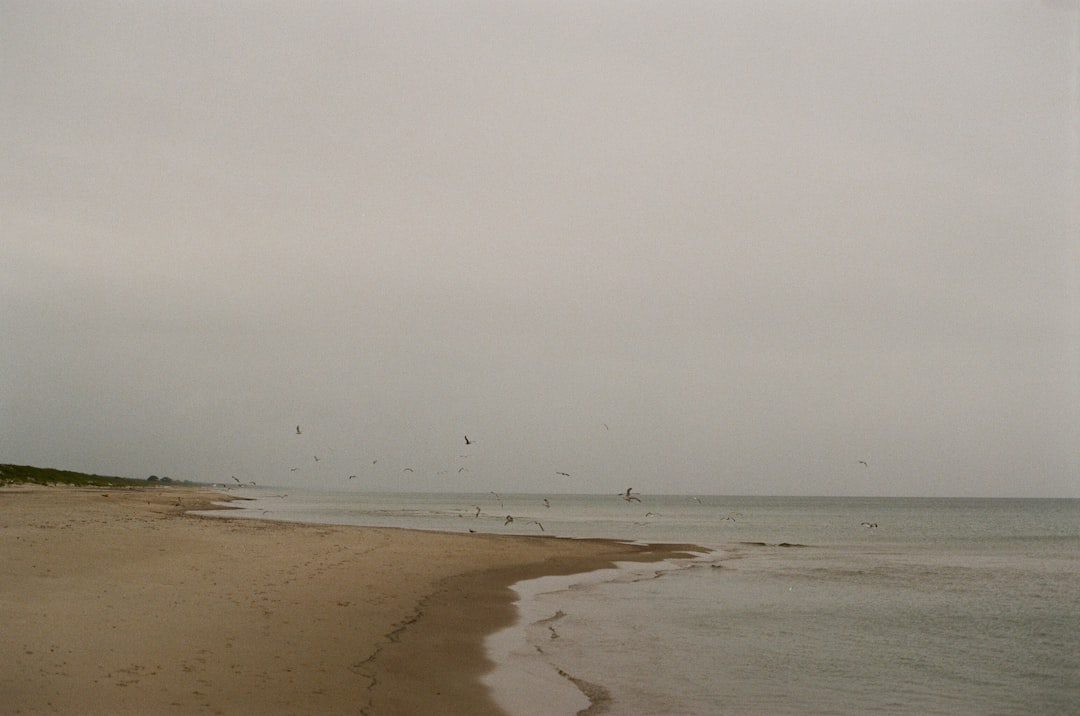
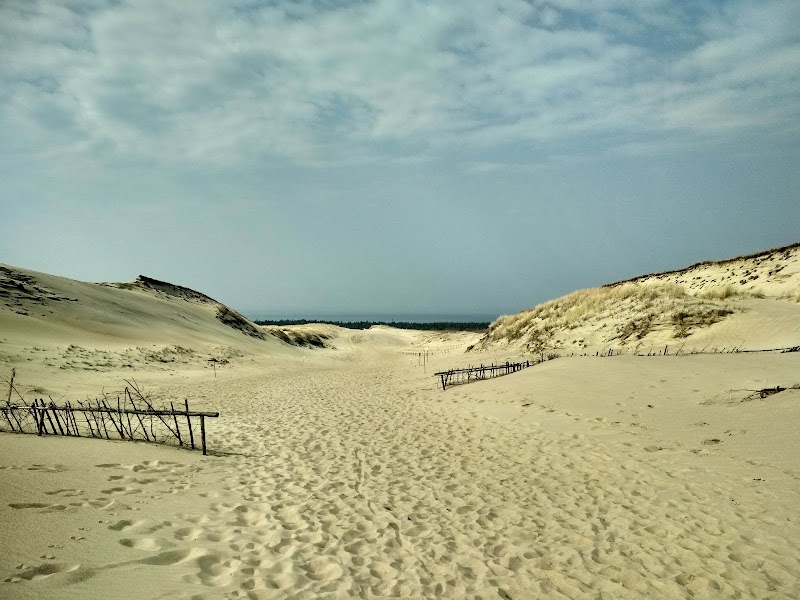
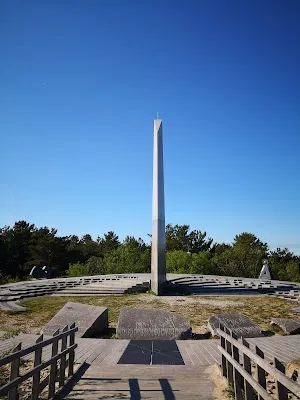
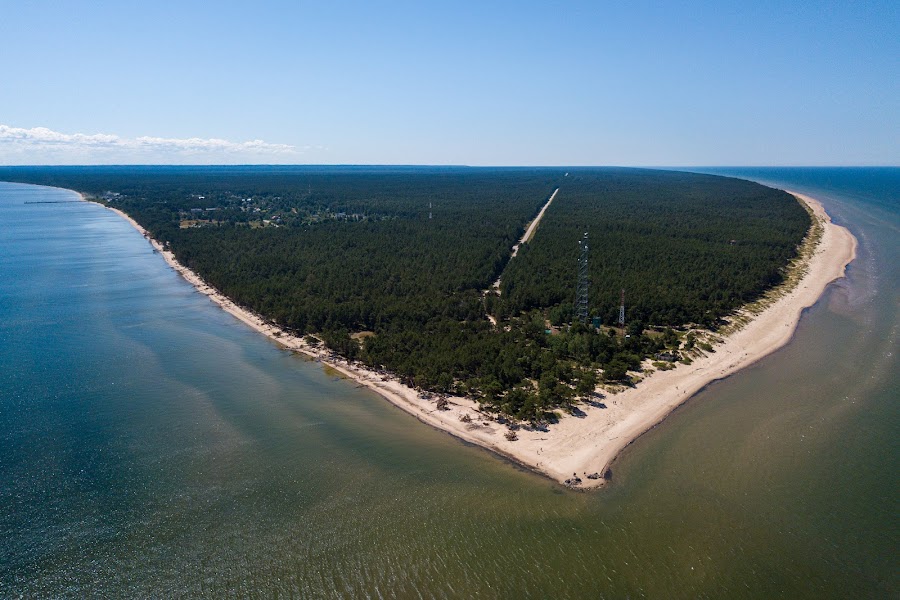
From the Hill of Crosses through the Baltic coast to the Curonian Spit, a 98 km slip of dunes and pine forest shared between Lithuania and the Russian exclave of Kaliningrad. The route ends in Nida, a village of painted fishing cottages and Thomas Mann's summer house above the world's tallest moving sand dunes.
Make this route yours
Set your dates, pace, and taste, and RoadAtlas AI rebuilds this trip day by day with real, verified places.
Included with Traveler and Explorer plans.
Plan this trip
Third-party planning links may be affiliate links. RoadAtlas stays independent, and you should verify details with the provider.
Day-by-day itinerary
Day 1Hill of Crosses via Klaipėda to Smiltynė
Klaipėda old town · Official car ferry and Neringa entry checkpoint · Monai
Day 2Juodkrantė via Nagliai and Pervalka to Nida
Hill of Witches · Nagliai Nature Reserve cognitive trail · Fisherman’s Inn Žuvelė
Stops along the route




Things to Do


Where to Eat


Nearby and similar drives
Frequently asked questions
How long is the Curonian Spit drive?
The Curonian Spit covers 220 km from start to finish.
How long does the Curonian Spit take to drive?
Most travellers spend 2 days on the Curonian Spit, depending on stops and pace.
When is the best time to drive the Curonian Spit?
The recommended season for the Curonian Spit is May–Sep.
Where does the Curonian Spit start and end?
The Curonian Spit runs from Hill of Crosses to Nida.
What are the main stops on the Curonian Spit?
The Curonian Spit passes through Hill of Crosses, Palanga, Klaipeda.
How difficult is the Curonian Spit to drive?
The Curonian Spit is rated easy and is best handled with any vehicle.
Can I drive the Curonian Spit in a regular car?
Yes — the Curonian Spit is paved end-to-end and a regular car is fine in normal conditions.
Is the Curonian Spit EV friendly?
Yes — the Curonian Spit has charger coverage along the route and works as an EV road trip.
Is the Curonian Spit safe to drive?
This Lithuania-only route ends at Nida and neither approaches nor crosses the Russian border. Take the official Klaipėda–Smiltynė car ferry, pay the current Neringa vehicle-entry fee and check the live municipal parking page. The Nagliai trail opens in 2026 from 17 Apr–15 May 10:00–19:00, 16 May–15 Sep 09:30–20:30, and 16 Sep–18 Oct 10:00–19:00; final ticket sales are one hour before closing and payment is card-only. Stay on established paths and verify seasonal restaurants.
What scenic tier is the Curonian Spit?
The Curonian Spit is a iconic drive — Iconic road trips that anchor a region's reputation — postcard scenery, headline highways, and the routes most travellers want to drive.