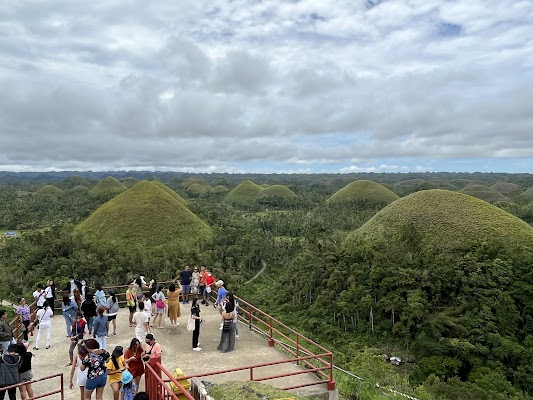
Cebu and Bohol Road Trip
Philippines
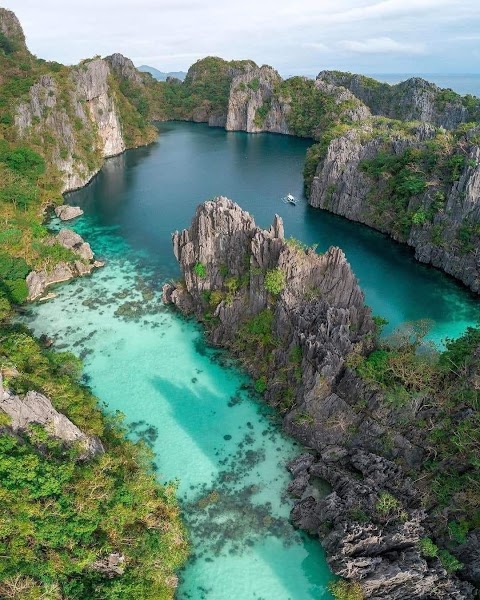
In short: Cebu and Bohol Road Trip is a about 330 km plus ferry island road trip in Philippines, typically driven over 5 days, best in Dec–May. Highlights: Cebu City to south Cebu, Oslob or south-coast alternative, Kawasan and Moalboal.
Five days separate southern Cebu wildlife or coast, Kawasan/Moalboal, the ferry transfer and a full Bohol countryside circuit with Corella tarsiers.
Make this route yours
Set your dates, pace, and taste, and RoadAtlas AI rebuilds this trip day by day with real, verified places.
Included with Traveler and Explorer plans.
Plan this trip
Third-party planning links may be affiliate links. RoadAtlas stays independent, and you should verify details with the provider.
Day-by-day itinerary
Day 1Cebu City to south Cebu
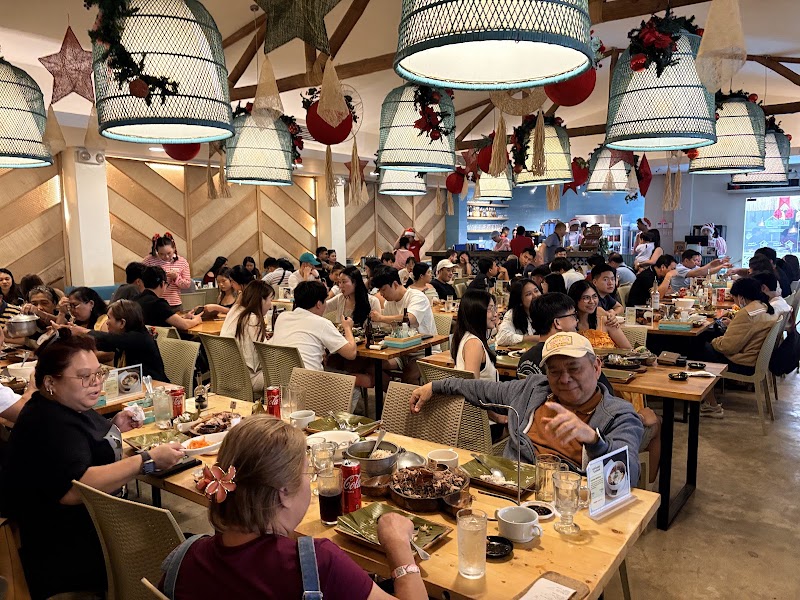
Daylight transfer to Oslob area · House of Lechon
Day 2Oslob or south-coast alternative
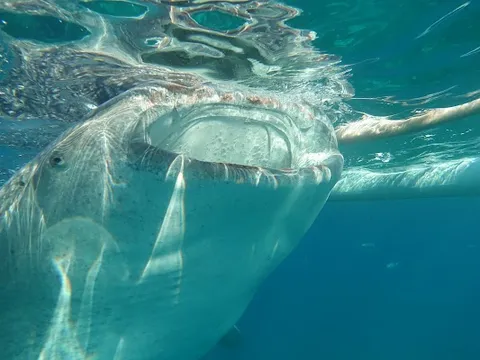
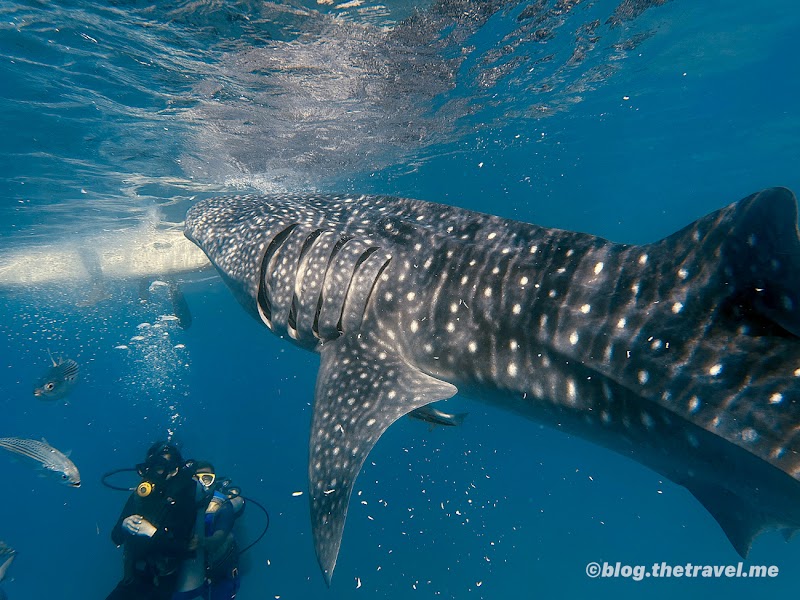
Optional Oslob interaction or non-provisioned coast day · Confirmed Oslob lodging meal
Day 3Kawasan and Moalboal
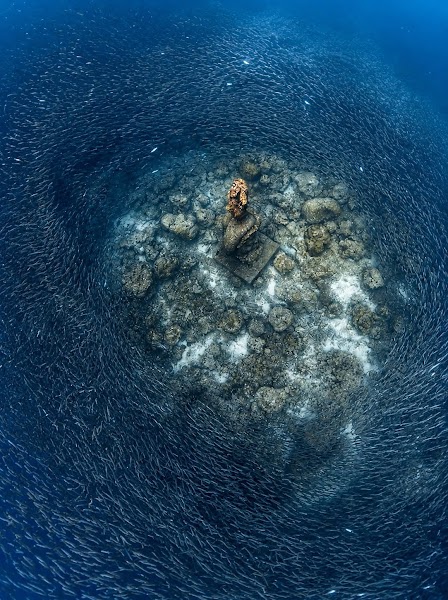
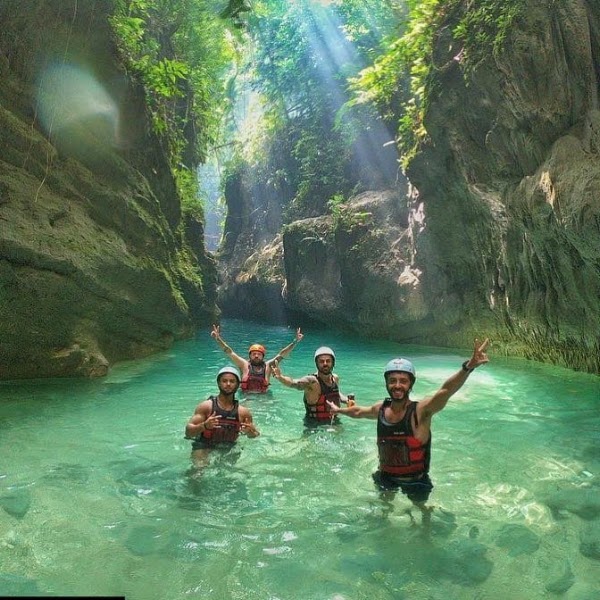
Accredited Kawasan canyoneering and Moalboal sardines · Ven'z Kitchen
Day 4Moalboal to Cebu Port and Tagbilaran
Rental return or booked RoRo and Bohol ferry · Gerarda's Place
Day 5Corella, Loboc, Chocolate Hills and Panglao
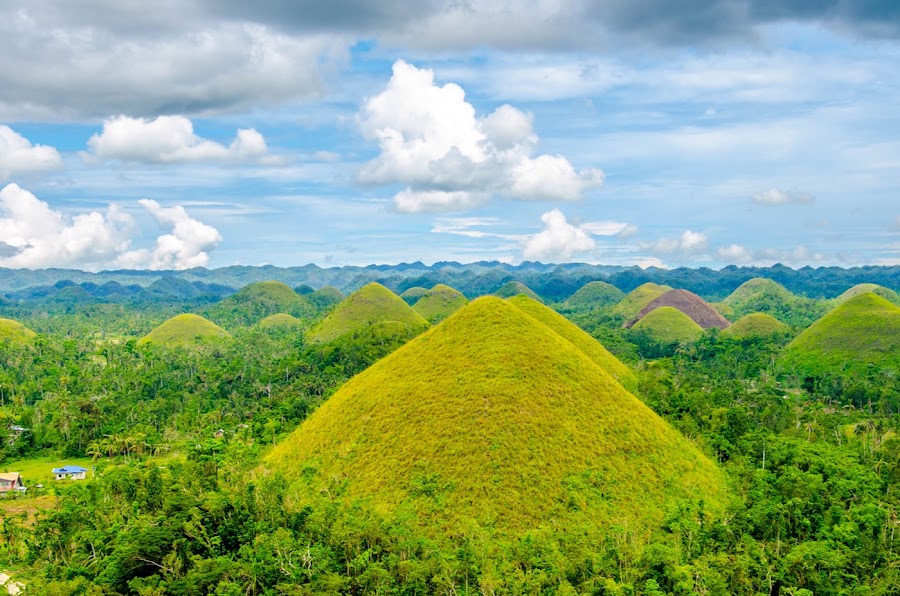
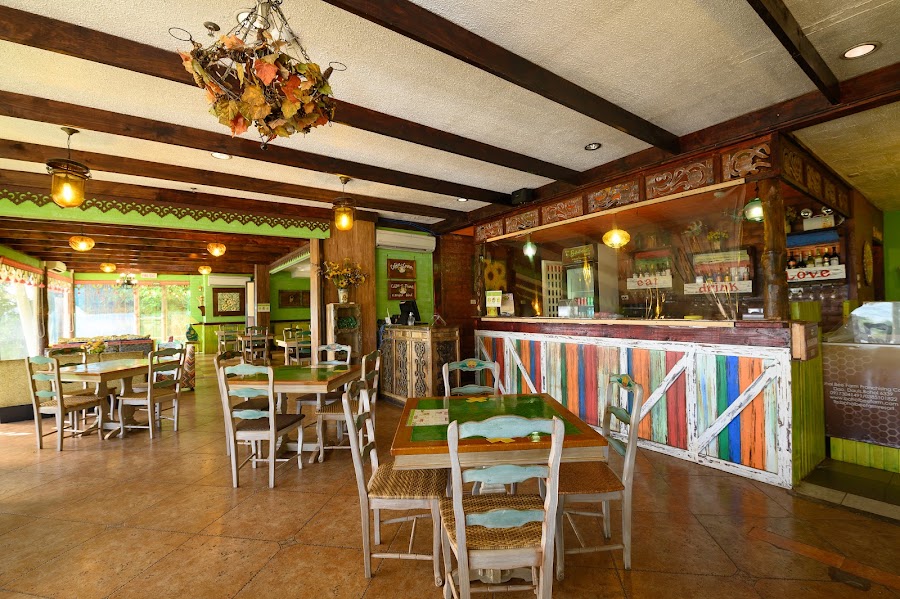
Full Bohol countryside circuit · Bohol Bee Farm Restaurant
Stops along the route
Things to Do


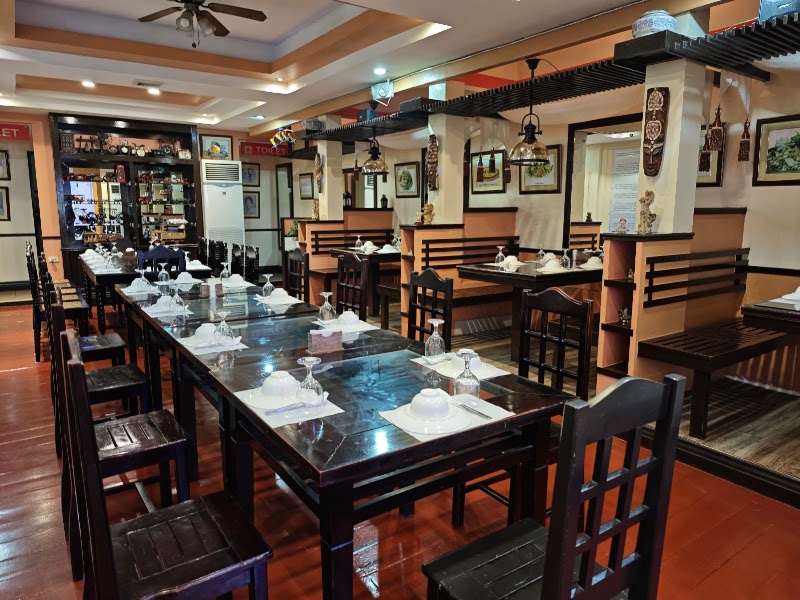
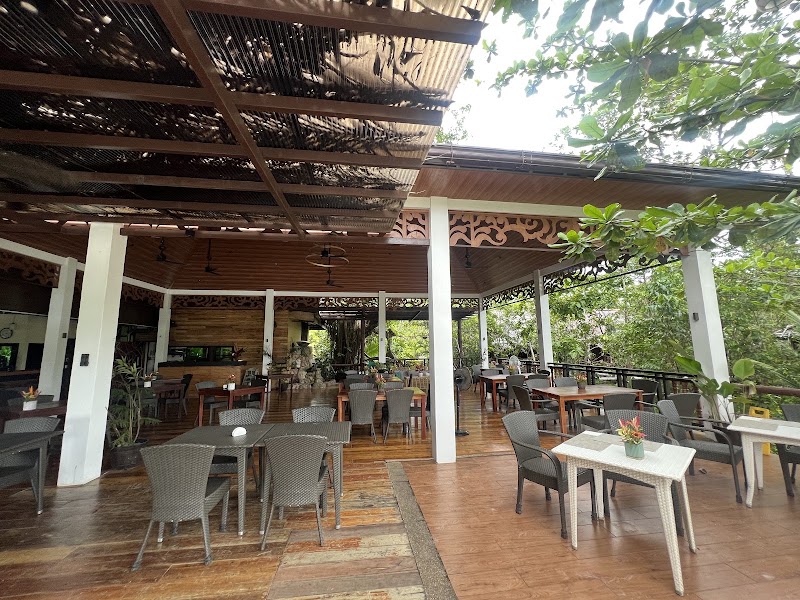
Where to Eat
Nearby and similar drives
Frequently asked questions
How long is the Cebu and Bohol Road Trip drive?
The Cebu and Bohol Road Trip covers about 330 km plus ferry from start to finish.
How long does the Cebu and Bohol Road Trip take to drive?
Most travellers spend 5 days on the Cebu and Bohol Road Trip, depending on stops and pace.
When is the best time to drive the Cebu and Bohol Road Trip?
The recommended season for the Cebu and Bohol Road Trip is Dec–May.
Where does the Cebu and Bohol Road Trip start and end?
The Cebu and Bohol Road Trip runs from Cebu City to south Cebu to Bohol countryside and Panglao.
What are the main stops on the Cebu and Bohol Road Trip?
The Cebu and Bohol Road Trip passes through Cebu City to south Cebu, Oslob or south-coast alternative, Kawasan and Moalboal.
How difficult is the Cebu and Bohol Road Trip to drive?
The Cebu and Bohol Road Trip is rated moderate and is best handled with any vehicle.
Can I drive the Cebu and Bohol Road Trip in a regular car?
Yes — the Cebu and Bohol Road Trip is paved end-to-end and a regular car is fine in normal conditions.
Do I need a permit or border paperwork for the Cebu and Bohol Road Trip?
Yes — the Cebu and Bohol Road Trip requires permits, fees, or border paperwork. Plan ahead: The Philippines is Level 2. Confirm whether the rental car must be returned in Cebu or may travel on a specified RoRo; otherwise return it and board a passenger ferry from Cebu City to Tagbilaran, allowing the operator’s ticket and port lead time. Ferries can cancel for weather. Kawasan canyoneering requires a currently accredited operator, guide, helmet and life jacket. Oslob whale-shark feeding alters animal behavior and remains controversial, so it is optional rather than a best activity; if chosen, obey every current interaction rule. Drive only in daylight.
How many fuel stops are needed on the Cebu and Bohol Road Trip?
Plan around 0 refuels (or about 1 EV charges) along the Cebu and Bohol Road Trip, based on its about 330 km plus ferry length.
Is the Cebu and Bohol Road Trip safe to drive?
The Philippines is Level 2. Confirm whether the rental car must be returned in Cebu or may travel on a specified RoRo; otherwise return it and board a passenger ferry from Cebu City to Tagbilaran, allowing the operator’s ticket and port lead time. Ferries can cancel for weather. Kawasan canyoneering requires a currently accredited operator, guide, helmet and life jacket. Oslob whale-shark feeding alters animal behavior and remains controversial, so it is optional rather than a best activity; if chosen, obey every current interaction rule. Drive only in daylight.
What scenic tier is the Cebu and Bohol Road Trip?
The Cebu and Bohol Road Trip is a iconic drive — Iconic road trips that anchor a region's reputation — postcard scenery, headline highways, and the routes most travellers want to drive.