
Austria Cities and Lakes Crossing
Austria
In short: Austria Cities and Lakes Crossing is a 610 km scenic road trip in Austria, typically driven over 5 days, best in May–Oct. Highlights: Innsbruck and Kufstein, Salzburg, Hallstatt and Linz.
An all-Austrian five-day Innsbruck-to-Vienna journey via Kufstein, Salzburg, Hallstatt and Linz; it is a city-and-lakes crossing, not a high-pass Alpine-road route.
Make this route yours
Set your dates, pace, and taste, and RoadAtlas AI rebuilds this trip day by day with real, verified places.
Included with Traveler and Explorer plans.
Plan this trip
Third-party planning links may be affiliate links. RoadAtlas stays independent, and you should verify details with the provider.
Day-by-day itinerary
Day 1Innsbruck and Kufstein to Salzburg
Innsbruck old town · Kufstein Fortress · Die Wilderin
Day 2Salzburg
Hohensalzburg and old town · Bärenwirt
Day 3Hallstatt village and lake to Linz
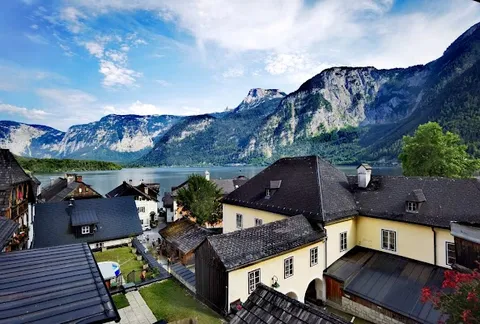
Hallstatt village and lakefront · Linz old town · Gasthof Zauner
Day 4Linz to Vienna
Linz morning and Vienna transfer · Figlmüller Wollzeile
Day 5Vienna
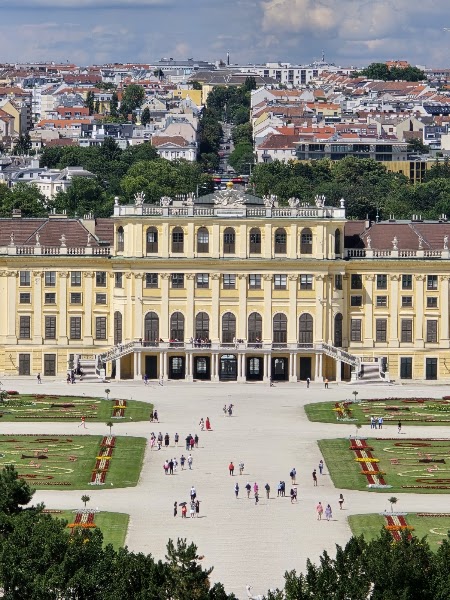
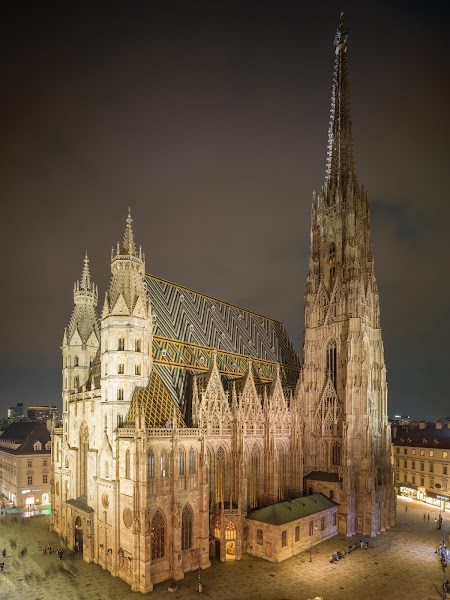
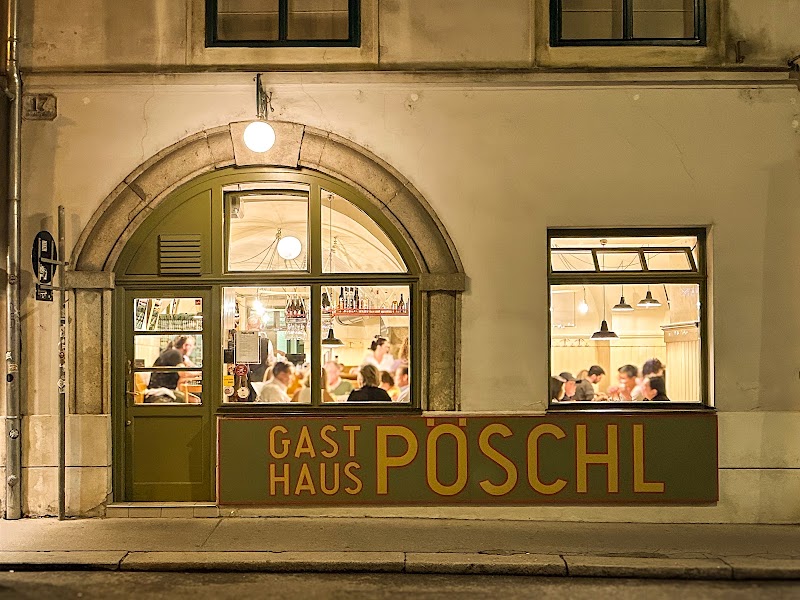
Schönbrunn Palace · Historic centre and St Stephen’s Cathedral · Gasthaus Pöschl
Stops along the route
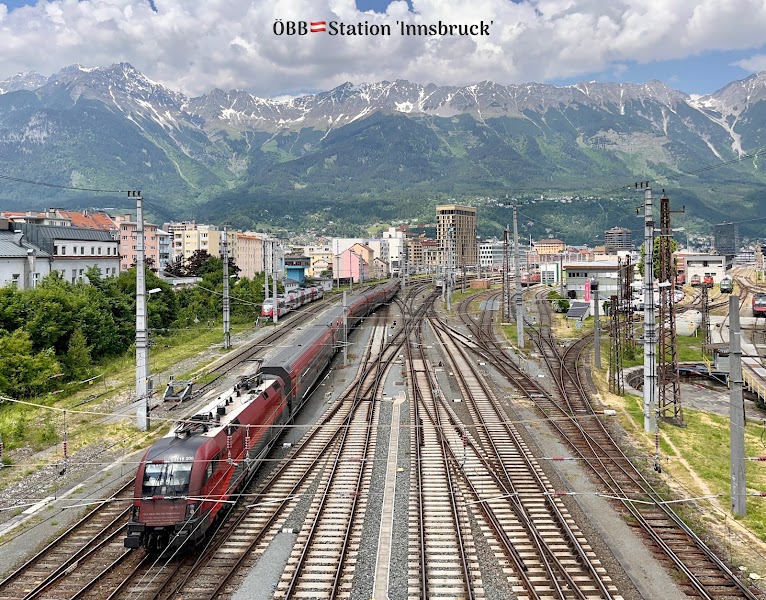
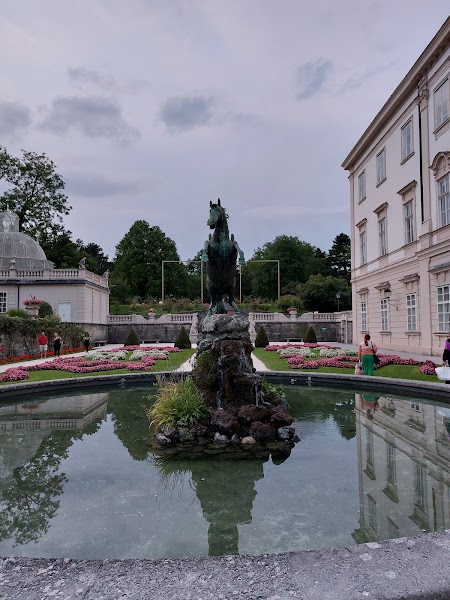
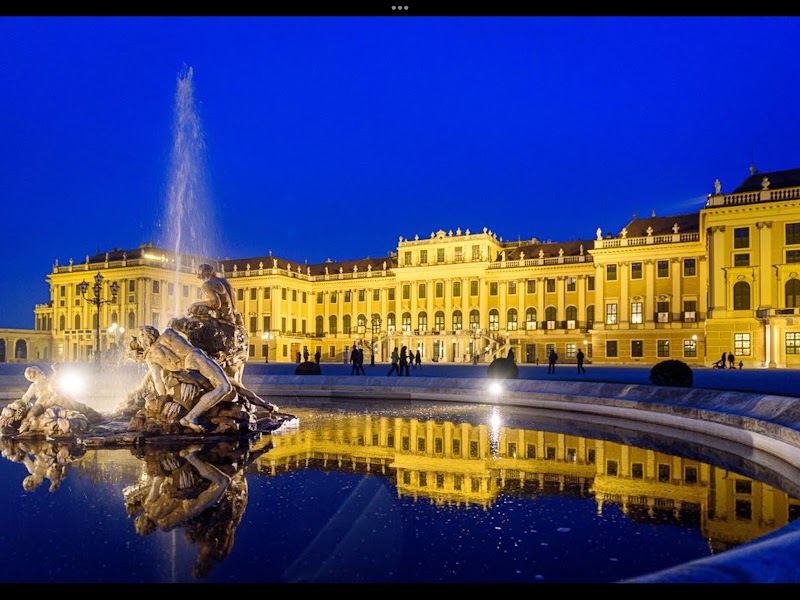
Things to Do
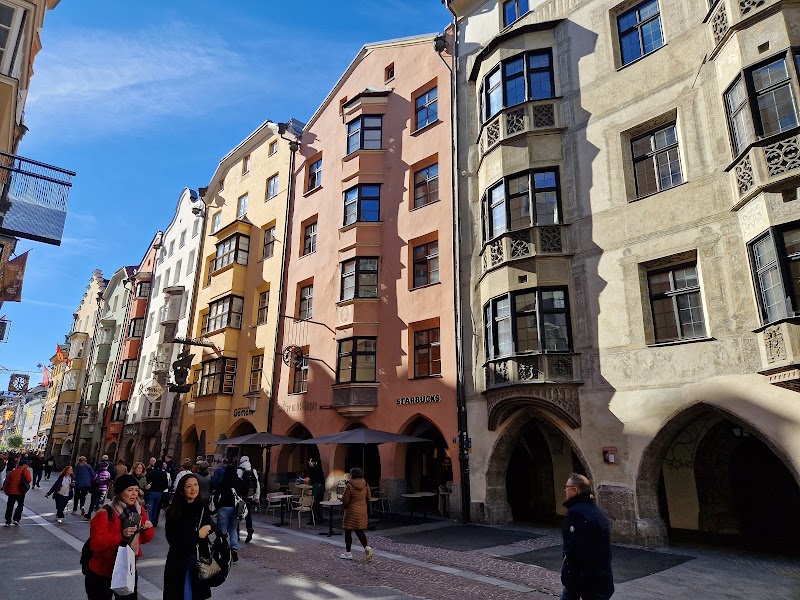
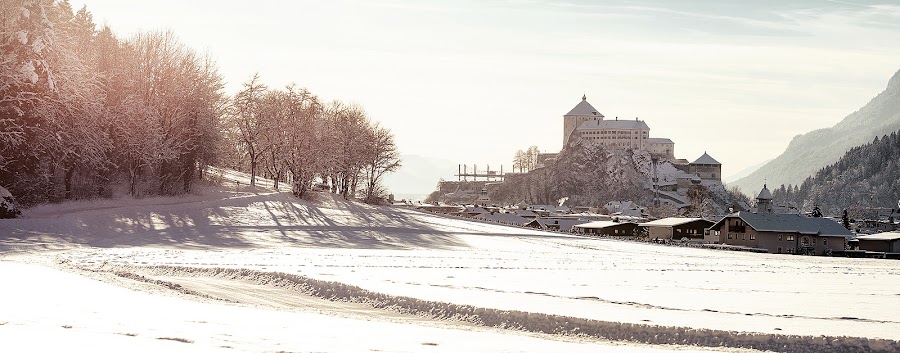
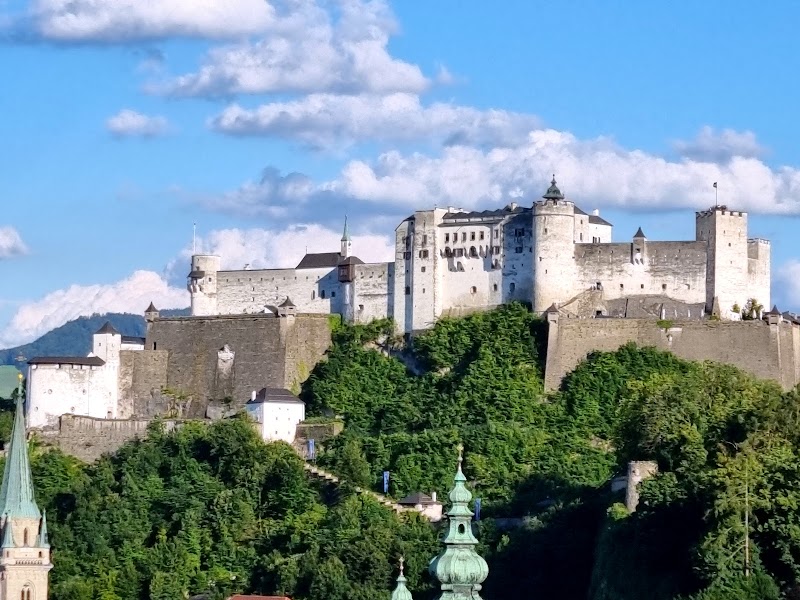
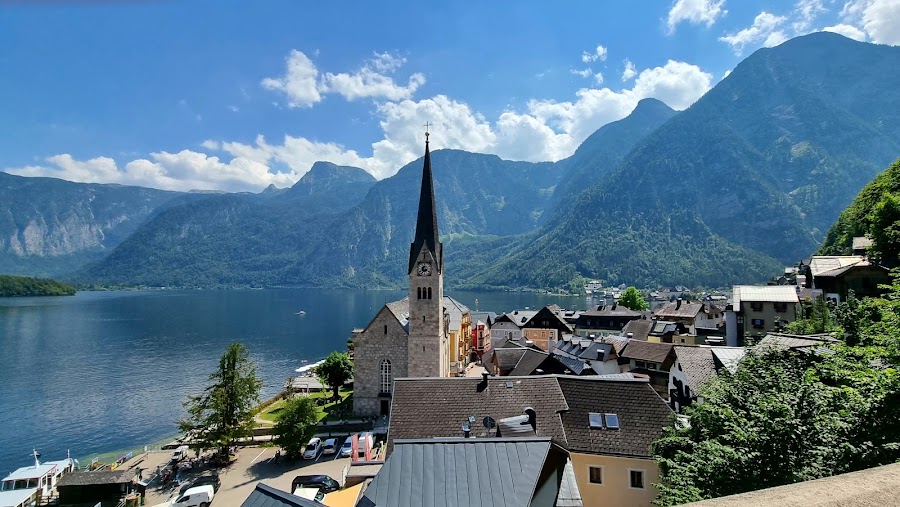

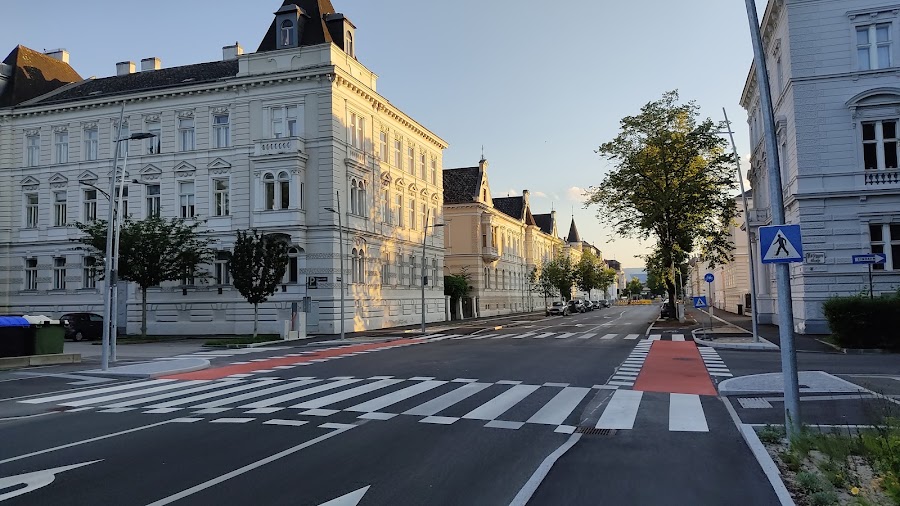
Show 2 more
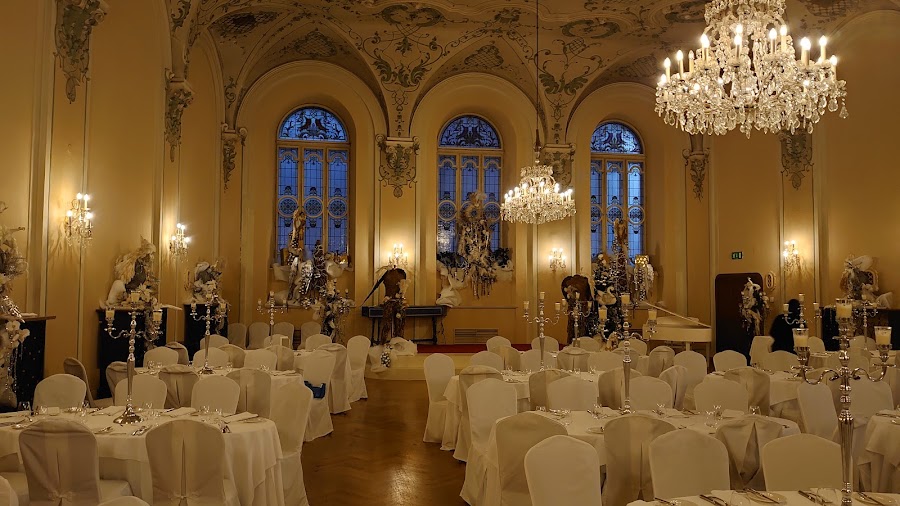
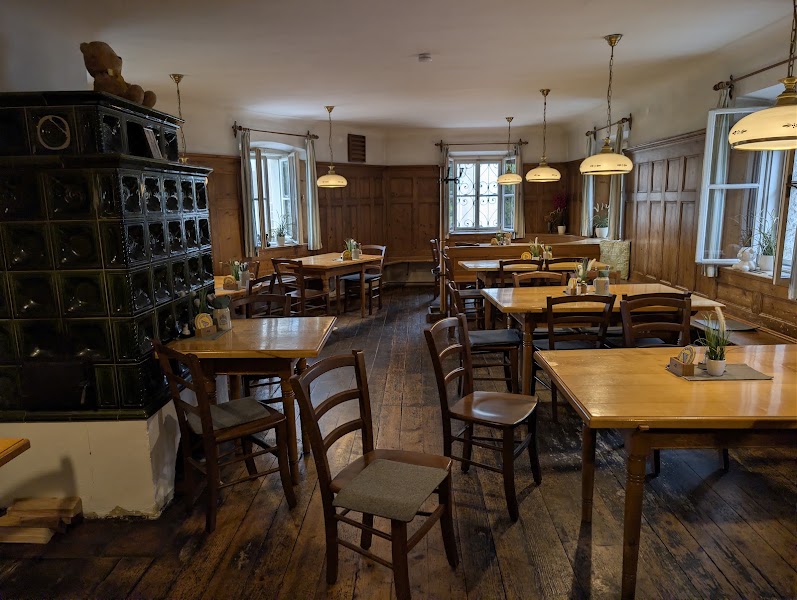
Where to Eat


Nearby and similar drives
Frequently asked questions
How long is the Austria Cities and Lakes Crossing drive?
The Austria Cities and Lakes Crossing covers 610 km from start to finish.
How long does the Austria Cities and Lakes Crossing take to drive?
Most travellers spend 5 days on the Austria Cities and Lakes Crossing, depending on stops and pace.
When is the best time to drive the Austria Cities and Lakes Crossing?
The recommended season for the Austria Cities and Lakes Crossing is May–Oct.
Where does the Austria Cities and Lakes Crossing start and end?
The Austria Cities and Lakes Crossing runs from Innsbruck and Kufstein to Vienna.
What are the main stops on the Austria Cities and Lakes Crossing?
The Austria Cities and Lakes Crossing passes through Innsbruck and Kufstein, Salzburg, Hallstatt and Linz.
How difficult is the Austria Cities and Lakes Crossing to drive?
The Austria Cities and Lakes Crossing is rated easy and is best handled with any vehicle.
Can I drive the Austria Cities and Lakes Crossing in a regular car?
Yes — the Austria Cities and Lakes Crossing is paved end-to-end and a regular car is fine in normal conditions.
How many fuel stops are needed on the Austria Cities and Lakes Crossing?
Plan around 1 refuels (or about 2 EV charges) along the Austria Cities and Lakes Crossing, based on its 610 km length.
Is the Austria Cities and Lakes Crossing EV friendly?
Yes — the Austria Cities and Lakes Crossing has charger coverage along the route and works as an EV road trip.
Is the Austria Cities and Lakes Crossing safe to drive?
This version stays in Austria on the Innsbruck–Kufstein–Salzburg corridor; the faster German-motorway transit is not used. Buy the official ASFINAG vignette/any required section toll and check the displayed validity date—online consumer purchases can have validity timing rules, so do not assume immediate activation. Salzwelten Hallstatt, its funicular and skywalk remain unavailable pending a confirmed summer-2026 reopening; recheck https://www.salzwelten.at/en/hallstatt immediately before publication/travel. The default stop is Hallstatt village/lake; the Altaussee shuttle is an optional separately booked substitute only if timing fits.
What scenic tier is the Austria Cities and Lakes Crossing?
The Austria Cities and Lakes Crossing is a iconic drive — Iconic road trips that anchor a region's reputation — postcard scenery, headline highways, and the routes most travellers want to drive.