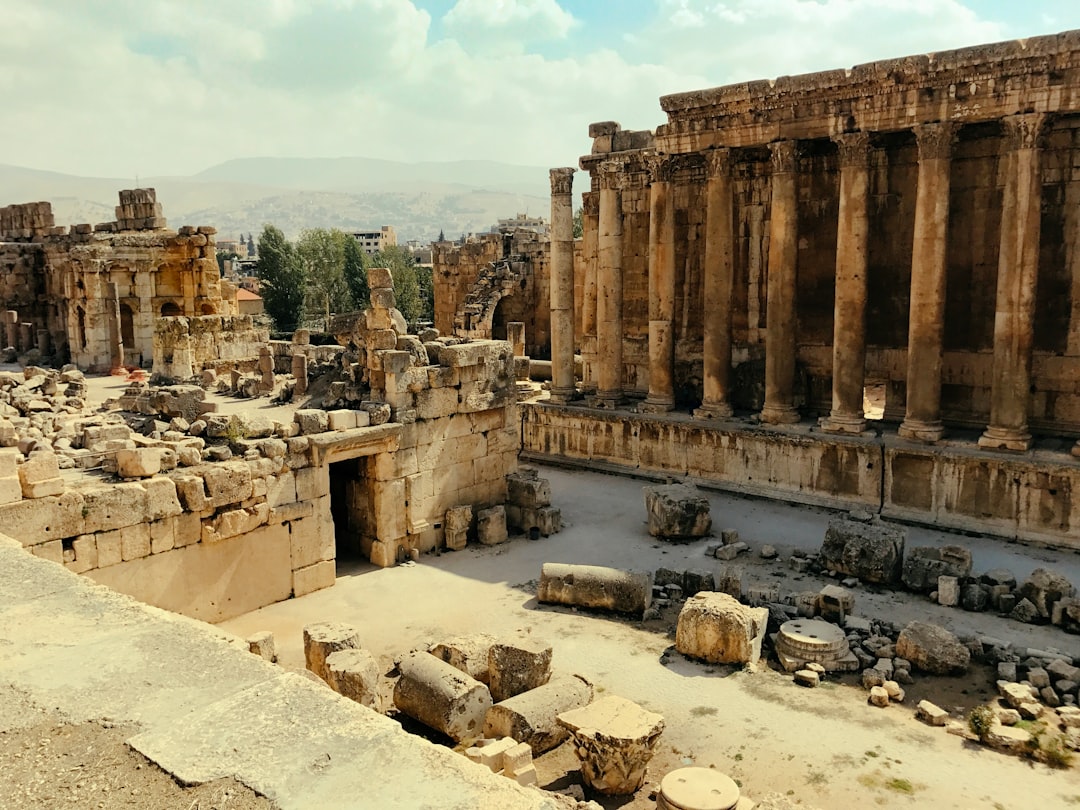
Beirut, Byblos, North Lebanon and Baalbek
Lebanon
In short: Beirut, Byblos, North Lebanon and Baalbek is a about 470 km historical road trip in Lebanon, typically driven over 5 days, best in Apr–Jun, Sep–Nov when advice permits. Highlights: Beirut, Jeita Grotto, Byblos.
A repaired five-day classic sequence—Beirut; Jeita and Byblos; Tripoli; Bcharre, Qadisha and the Cedars; then conditional Baalbek—held behind a current Level 4 do-not-travel warning.
Make this route yours
Set your dates, pace, and taste, and RoadAtlas AI rebuilds this trip day by day with real, verified places.
Included with Traveler and Explorer plans.
Plan this trip
Third-party planning links may be affiliate links. RoadAtlas stays independent, and you should verify details with the provider.
Day-by-day itinerary
Day 1Beirut — reference plan only while Level 4 remains
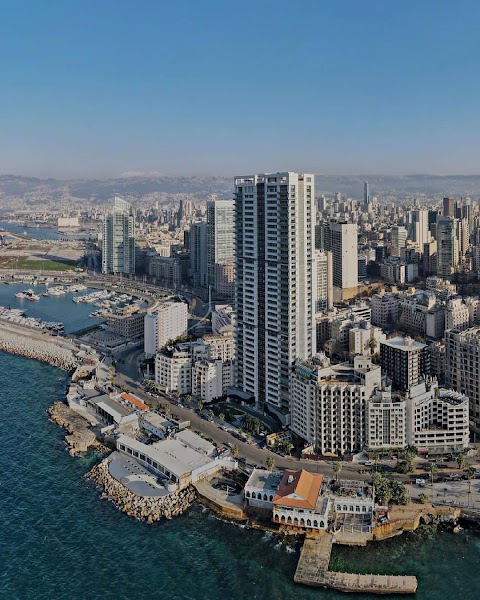
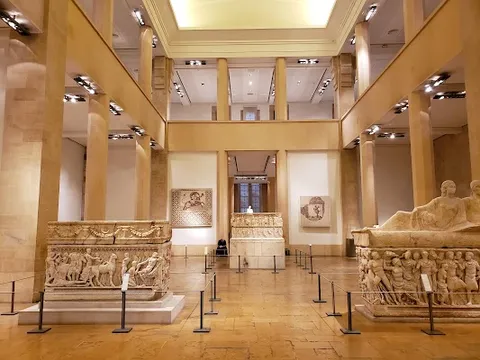
Level 4 go/no-go gate · National Museum and Corniche · Tawlet Beirut
Day 2Beirut → Jeita → Byblos (about 55 km; reference plan)
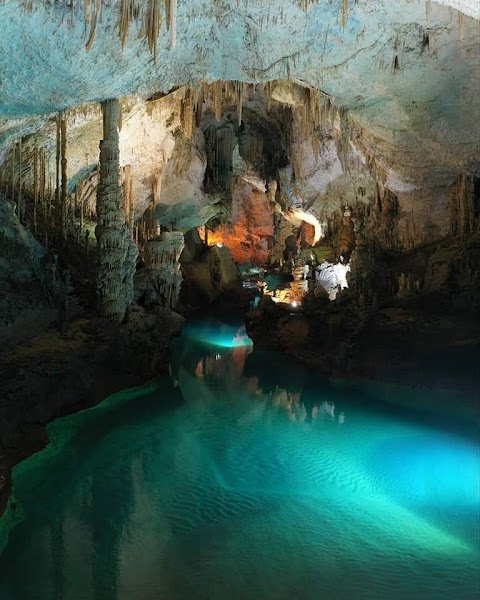
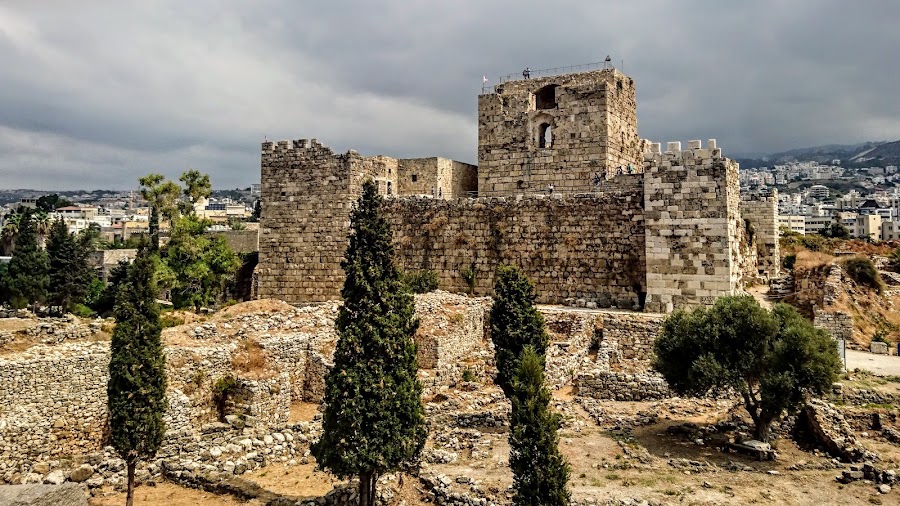
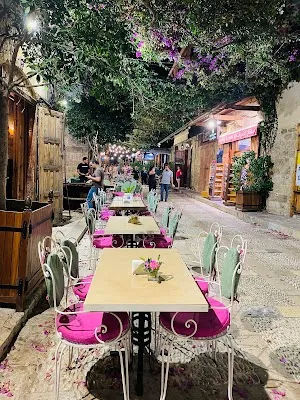
Jeita Grotto · Byblos archaeology and harbour · Feniqia – Byblos
Day 3Byblos → Tripoli (about 45 km; reference plan)
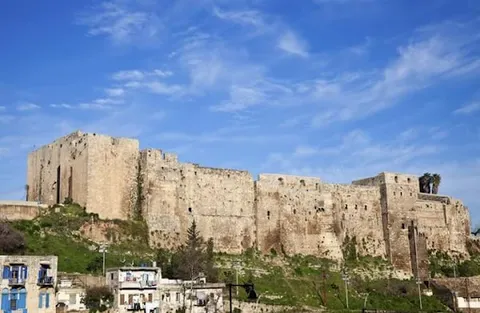
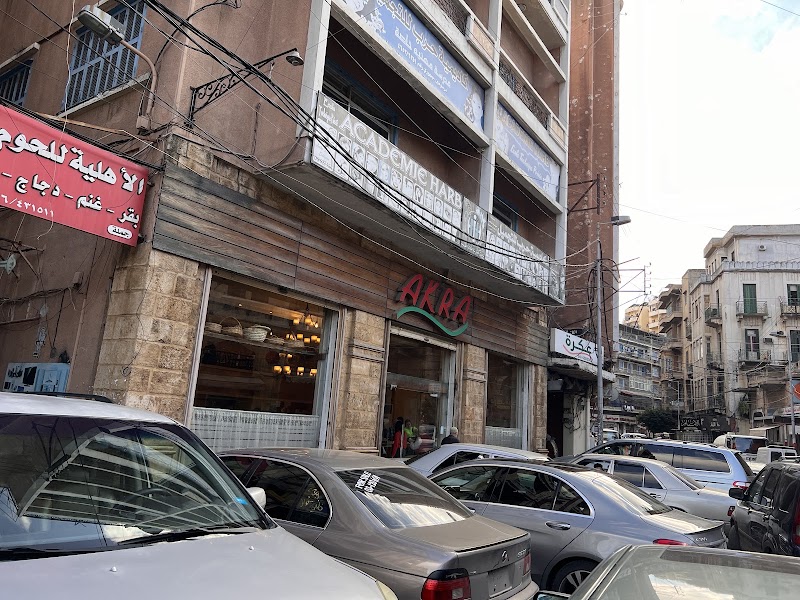
Tripoli Citadel · Mamluk old city and souqs · Akra – Tripoli
Day 4Tripoli → Bcharre → Qadisha → Cedars of God (about 90 km; mountain overnight)
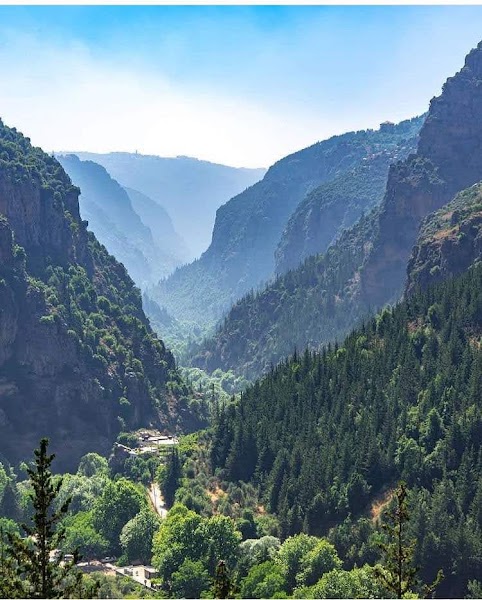
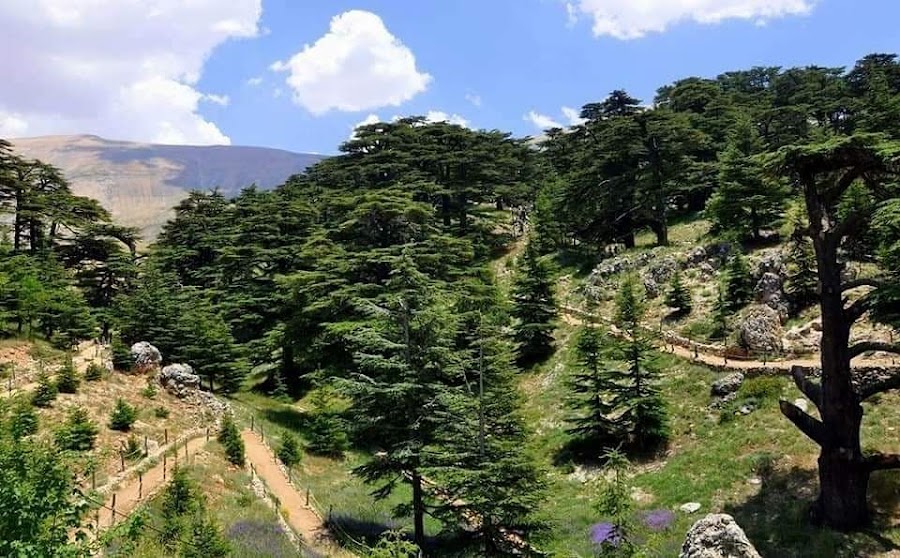
Gibran Museum and Qadisha viewpoints · Cedars of God · Le Pichet des Cèdres – Bcharre
Day 5Bcharre → Baalbek (conditional) → Beirut (about 230 km)
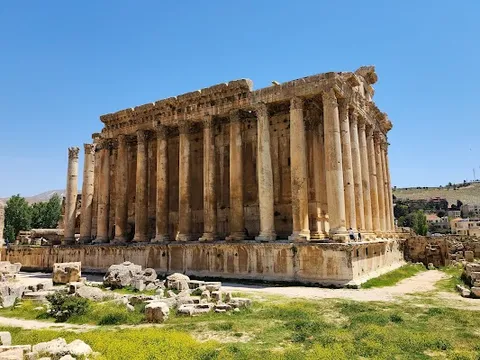
Baalbek security gate · Baalbek temples · Sama Baalbek
Stops along the route
Things to Do
Show 2 more
Where to Eat



Nearby and similar drives



Frequently asked questions
How long is the Beirut, Byblos, North Lebanon and Baalbek drive?
The Beirut, Byblos, North Lebanon and Baalbek covers about 470 km from start to finish.
How long does the Beirut, Byblos, North Lebanon and Baalbek take to drive?
Most travellers spend 5 days on the Beirut, Byblos, North Lebanon and Baalbek, depending on stops and pace.
When is the best time to drive the Beirut, Byblos, North Lebanon and Baalbek?
The recommended season for the Beirut, Byblos, North Lebanon and Baalbek is Apr–Jun, Sep–Nov when advice permits.
Where does the Beirut, Byblos, North Lebanon and Baalbek start and end?
The Beirut, Byblos, North Lebanon and Baalbek runs from Beirut to Baalbek.
What are the main stops on the Beirut, Byblos, North Lebanon and Baalbek?
The Beirut, Byblos, North Lebanon and Baalbek passes through Beirut, Jeita Grotto, Byblos.
How difficult is the Beirut, Byblos, North Lebanon and Baalbek to drive?
The Beirut, Byblos, North Lebanon and Baalbek is rated moderate and is best handled with any vehicle.
Can I drive the Beirut, Byblos, North Lebanon and Baalbek in a regular car?
Yes — the Beirut, Byblos, North Lebanon and Baalbek is paved end-to-end and a regular car is fine in normal conditions.
How many fuel stops are needed on the Beirut, Byblos, North Lebanon and Baalbek?
Plan around 0 refuels (or about 1 EV charges) along the Beirut, Byblos, North Lebanon and Baalbek, based on its about 470 km length.
Is the Beirut, Byblos, North Lebanon and Baalbek safe to drive?
DO NOT TRAVEL: as of July 13, 2026, the U.S. State Department places all Lebanon at Level 4 (advisory issued May 6, 2026) because of crime, terrorism, armed conflict, civil unrest, kidnapping and unexploded landmines. This route is reference material, not a recommendation to go. Do not book or depart unless the advisory changes and a trusted local security assessment confirms every leg; Baalbek must be omitted whenever official advice or conditions make the Beqaa unsafe.
What scenic tier is the Beirut, Byblos, North Lebanon and Baalbek?
The Beirut, Byblos, North Lebanon and Baalbek is a iconic drive — Iconic road trips that anchor a region's reputation — postcard scenery, headline highways, and the routes most travellers want to drive.