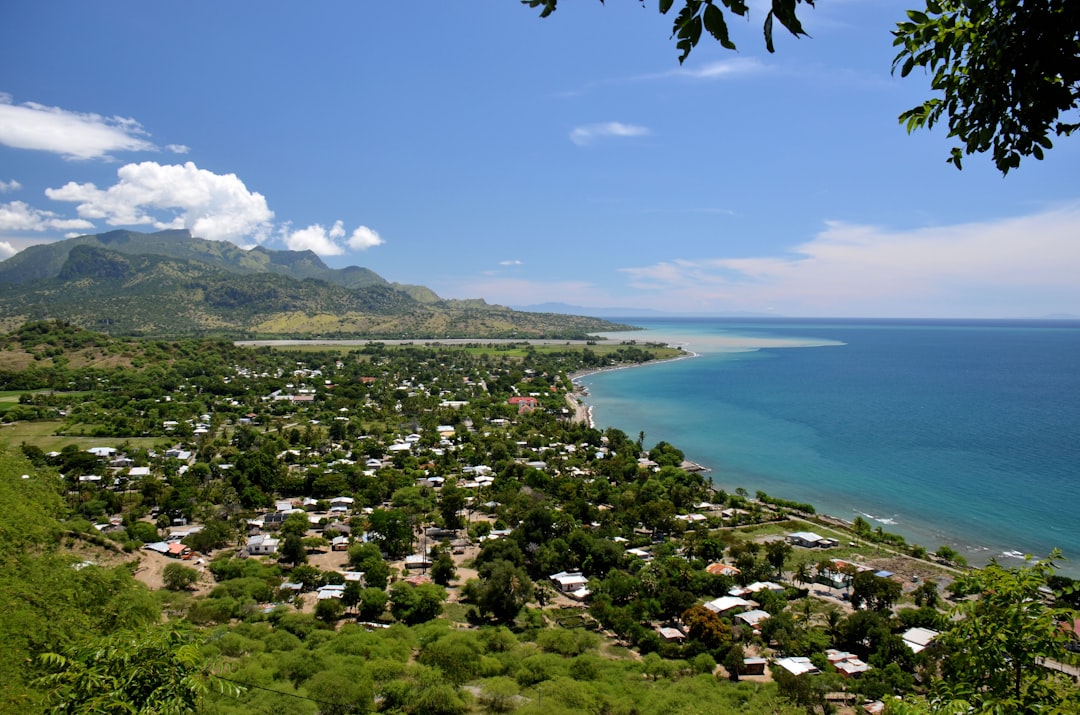
Dili–Balibo–Ermera Loop
Timor-Leste
In short: Dili–Balibo–Ermera Loop is a about 390 km historical road trip in Timor-Leste, typically driven over 3 days, best in May–Oct. Highlights: Dili, Maubara Fort, Balibo Fort.
A complete three-day western loop: Dili to Balibo along the Liquiçá–Maubara coast, inland through Maliana and Ermera, then back to Dili.
Make this route yours
Set your dates, pace, and taste, and RoadAtlas AI rebuilds this trip day by day with real, verified places.
Included with Traveler and Explorer plans.
Plan this trip
Third-party planning links may be affiliate links. RoadAtlas stays independent, and you should verify details with the provider.
Day-by-day itinerary
Day 1Dili to Balibo via Liquica and Maubara
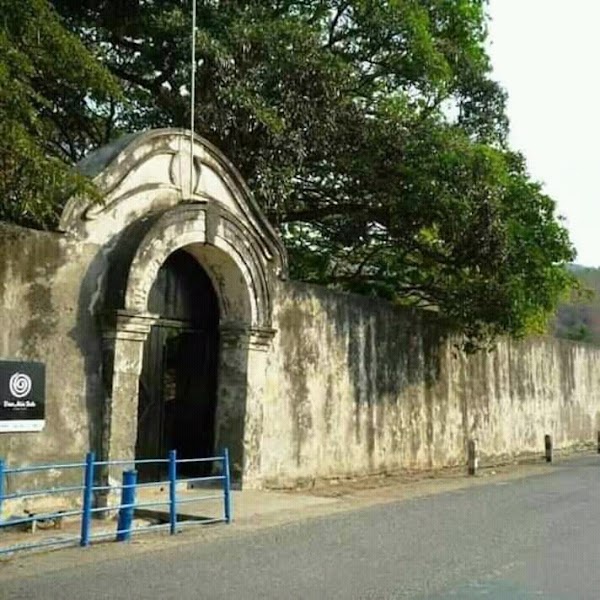
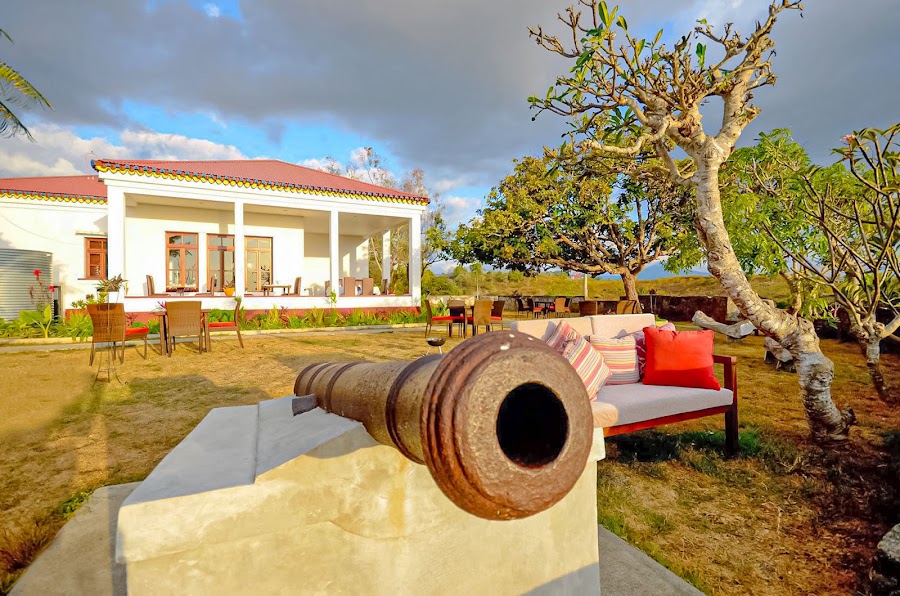
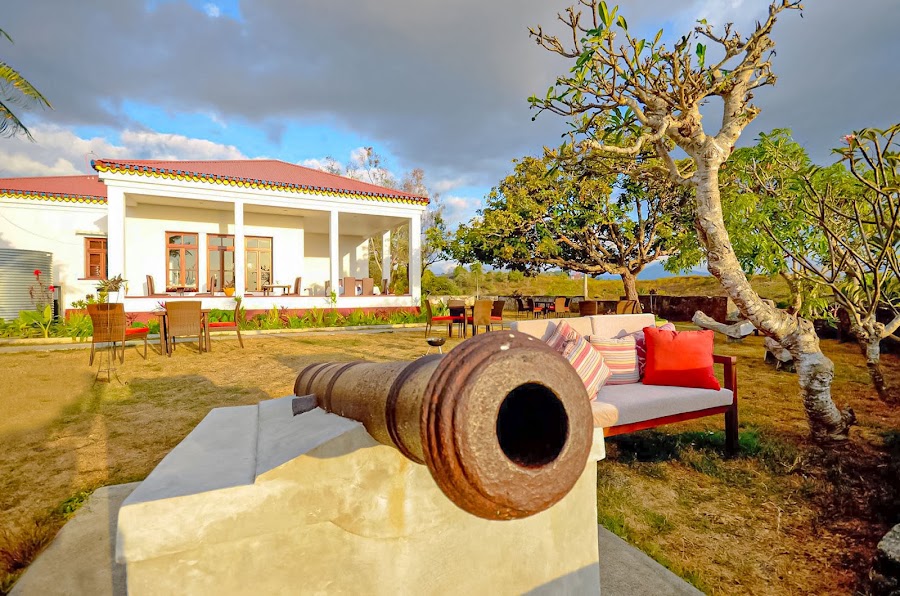
Maubara Fort and Balibo Fort · The Fort Kitchen Restaurant
Day 2Balibo to Ermera via Maliana
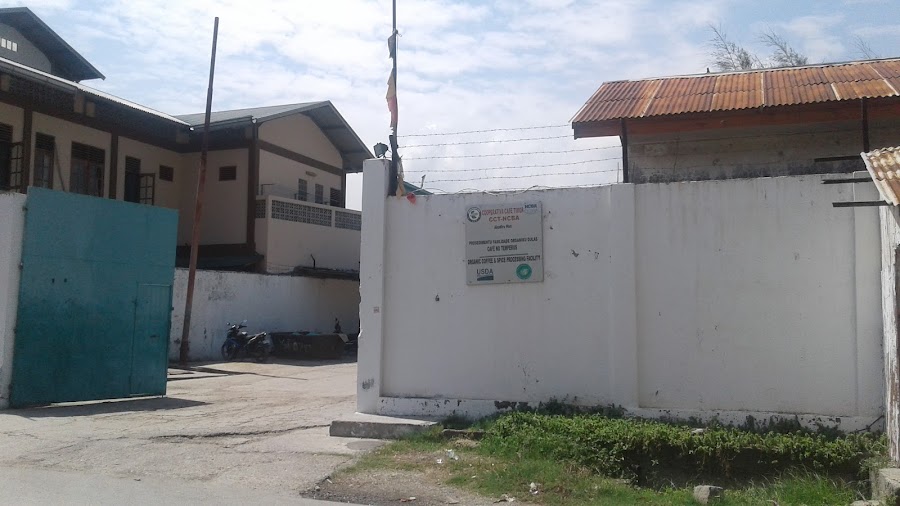
Maliana rest and arranged Ermera coffee visit · Prearranged Ermera lodging meal
Day 3Ermera to Dili
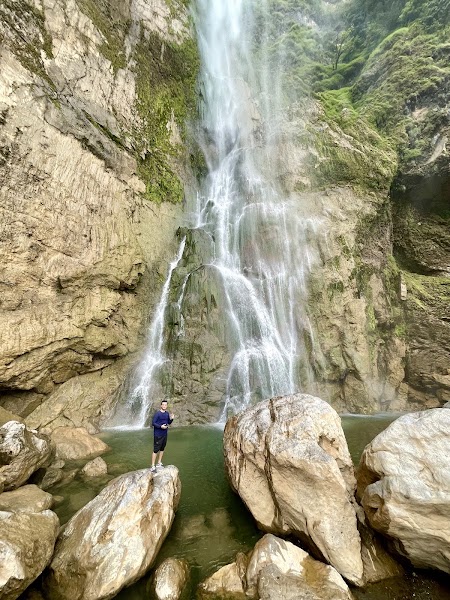
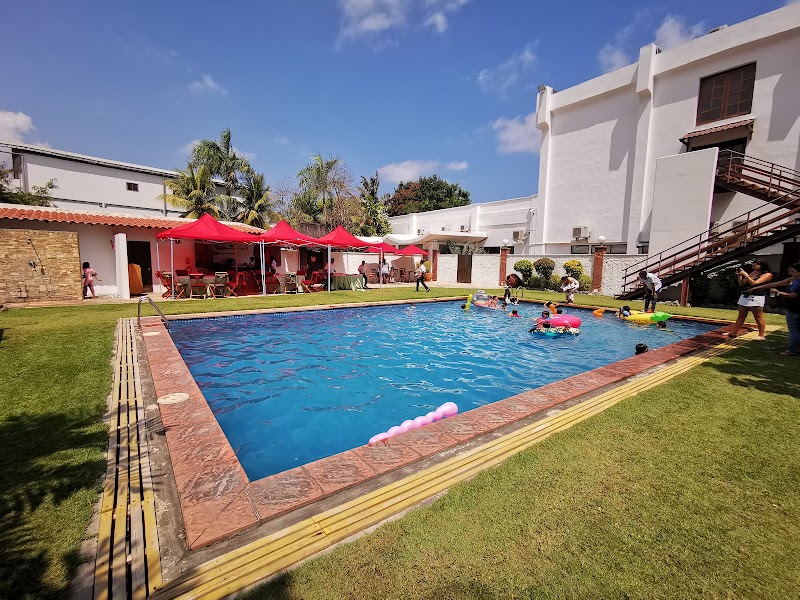
Conditional Bandeira Waterfall or direct return · Hotel Timor Restaurant
Stops along the route
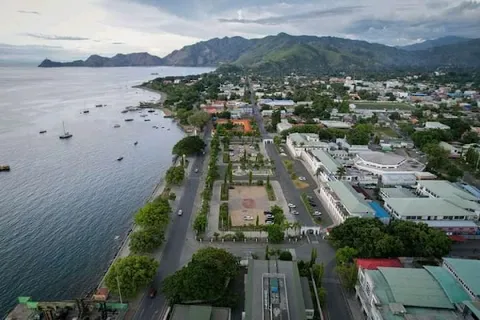
Things to Do
Where to Eat
Nearby and similar drives

Frequently asked questions
How long is the Dili–Balibo–Ermera Loop drive?
The Dili–Balibo–Ermera Loop covers about 390 km from start to finish.
How long does the Dili–Balibo–Ermera Loop take to drive?
Most travellers spend 3 days on the Dili–Balibo–Ermera Loop, depending on stops and pace.
When is the best time to drive the Dili–Balibo–Ermera Loop?
The recommended season for the Dili–Balibo–Ermera Loop is May–Oct.
What are the main stops on the Dili–Balibo–Ermera Loop?
The Dili–Balibo–Ermera Loop passes through Dili, Maubara Fort, Balibo Fort.
How difficult is the Dili–Balibo–Ermera Loop to drive?
The Dili–Balibo–Ermera Loop is rated hard and is best handled with 4wd only.
Do I need a 4WD for the Dili–Balibo–Ermera Loop?
Yes — the Dili–Balibo–Ermera Loop includes off-road or rough sections that require 4wd only.
How many fuel stops are needed on the Dili–Balibo–Ermera Loop?
Plan around 0 refuels (or about 1 EV charges) along the Dili–Balibo–Ermera Loop, based on its about 390 km length.
Is the Dili–Balibo–Ermera Loop safe to drive?
Timor-Leste is Level 2 as of 21 May 2026 because of unrest and crime. Use a capable 4WD, travel in daylight and in convoy outside Dili where possible, and reconfirm every road locally. Wet-season flooding and landslides can make stages impassable; cancel rather than force a crossing. Carry cash, fuel, food, water, recovery gear and medical-evacuation insurance; emergency and medical support is limited. Avoid demonstrations and never approach the nearby international border unintentionally.
What scenic tier is the Dili–Balibo–Ermera Loop?
The Dili–Balibo–Ermera Loop is a iconic drive — Iconic road trips that anchor a region's reputation — postcard scenery, headline highways, and the routes most travellers want to drive.