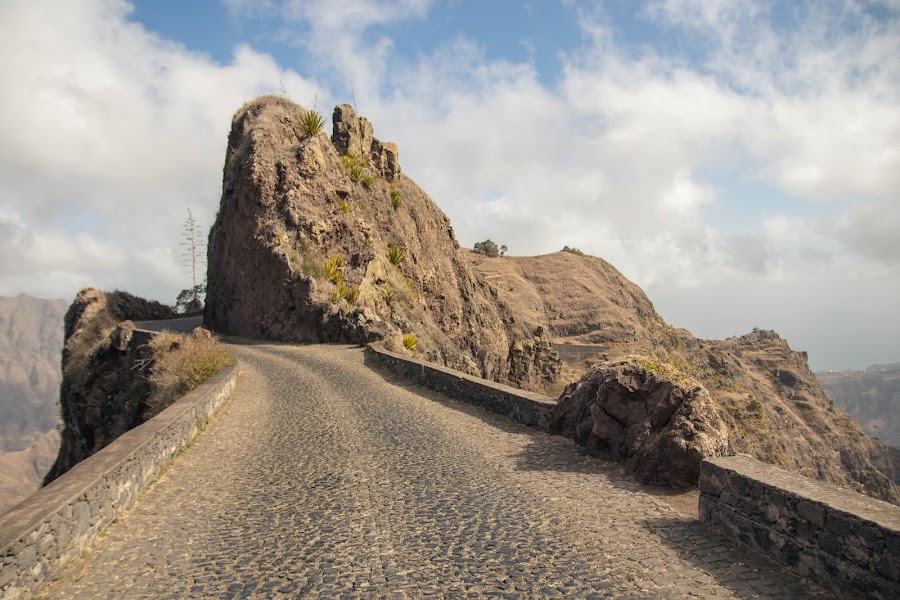
Santo Antão Island Crossing
Cape Verde
In short: Santo Antão Island Crossing is a 50 km scenic road trip in Cape Verde, typically driven over 1 day, best in October to June. Highlights: Porto Novo, Ribeira das Patas, Cova crater.
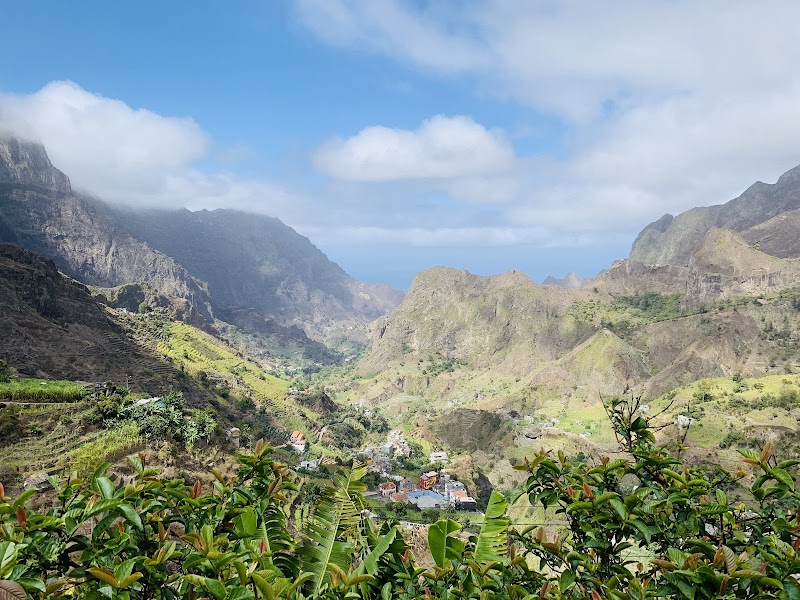
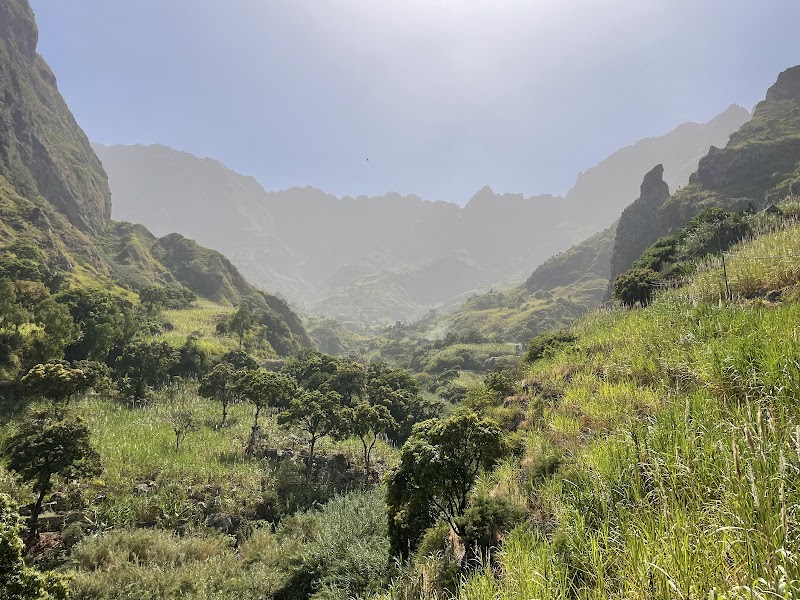
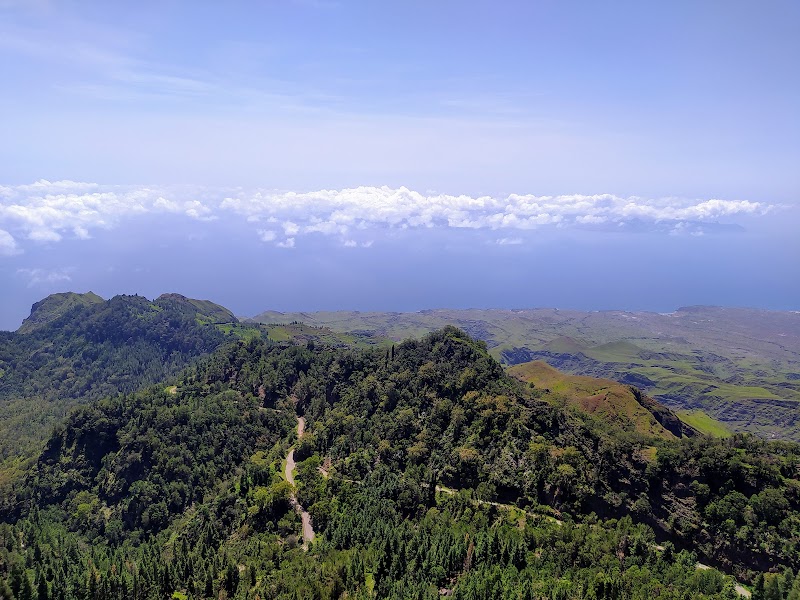
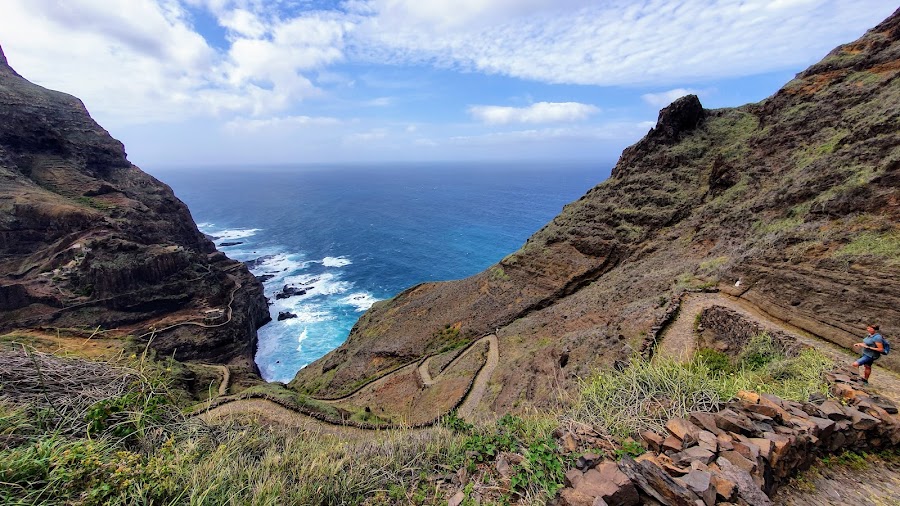
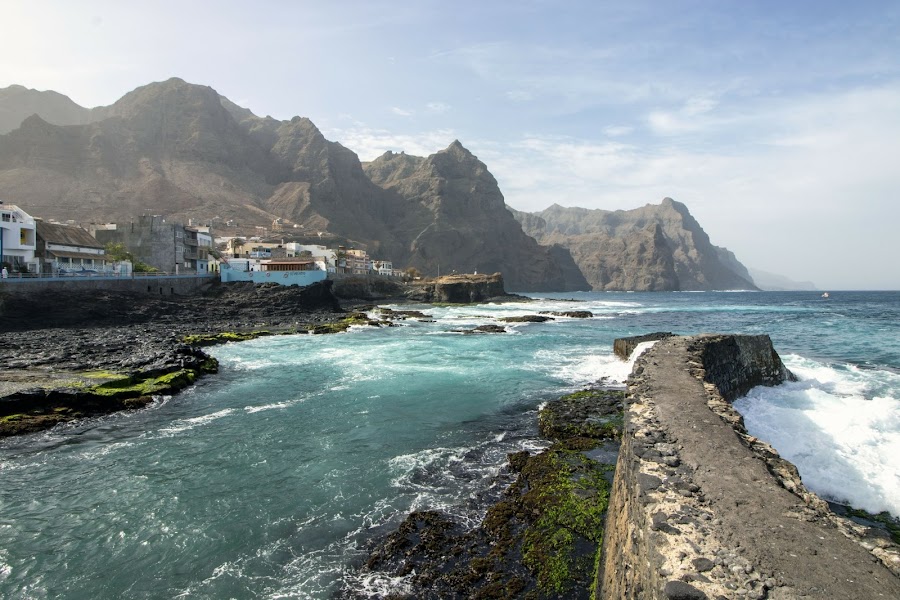
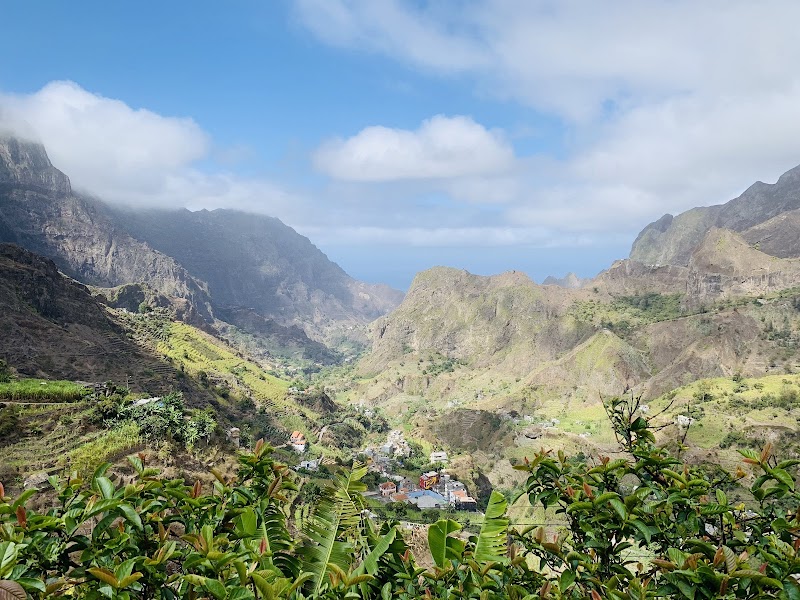
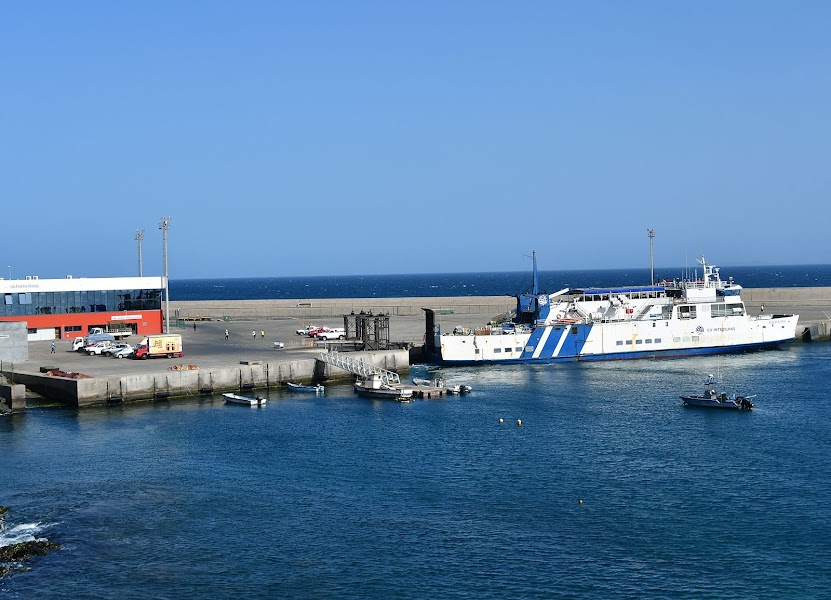
This island crossing follows Santo Antão’s dramatic north-to-south mountain roads from the ferry port at Porto Novo up through the cratered highlands to the lush valley country around Ribeira Grande. Expect plunging views, terraced slopes, and some of Cape Verde’s most memorable switchbacks.
Plan this trip
Third-party planning links may be affiliate links. RoadAtlas stays independent, and you should verify details with the provider.
Stops along the route
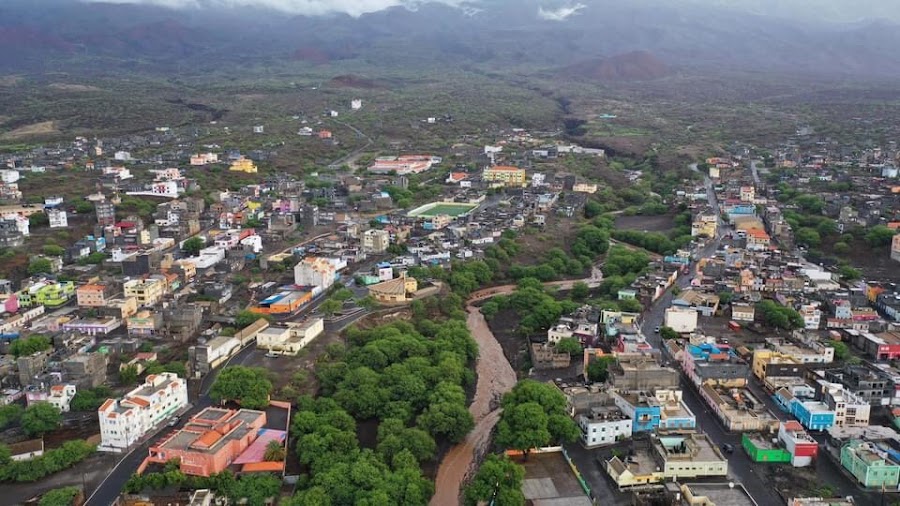
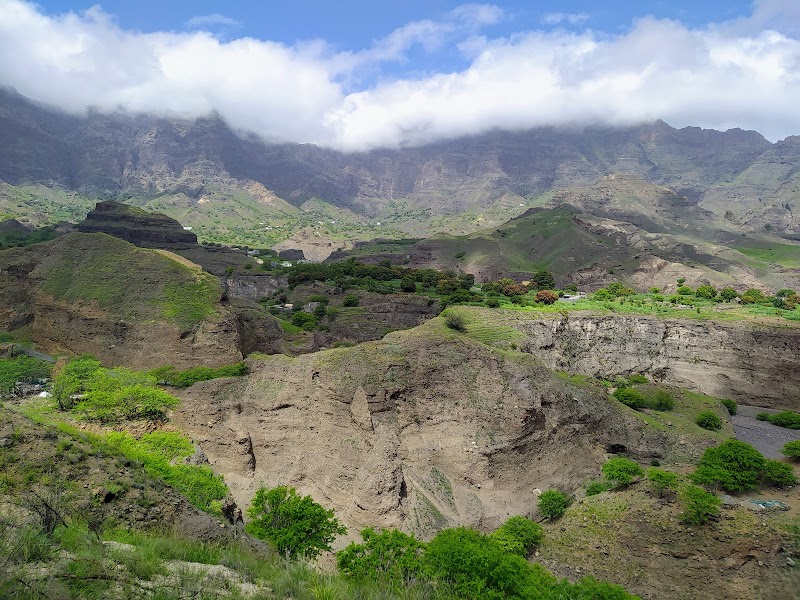
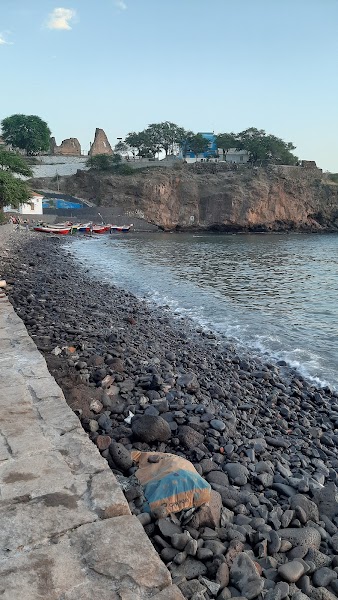
Things to Do
Where to Eat

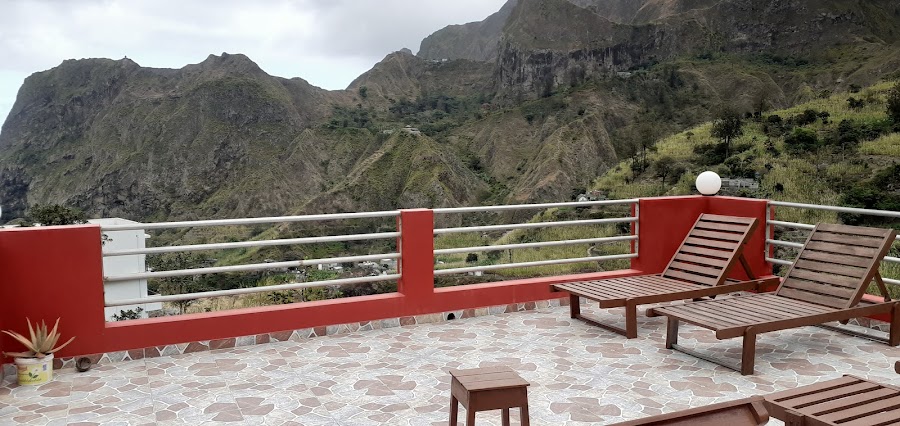
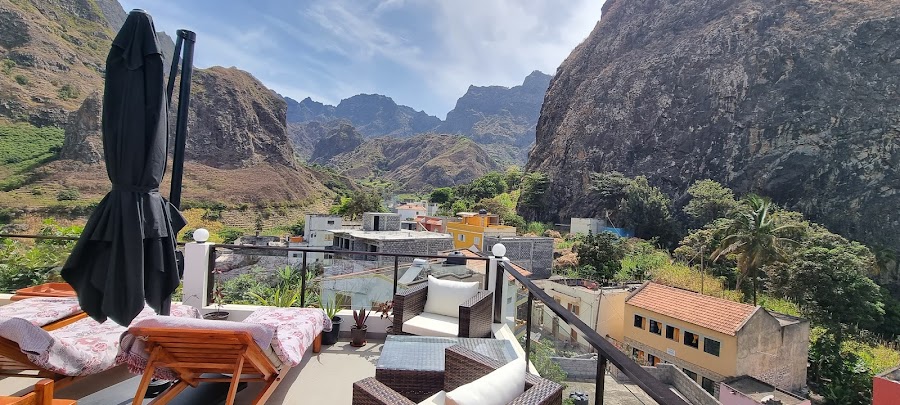
Explore related routes
Nearby and similar drives
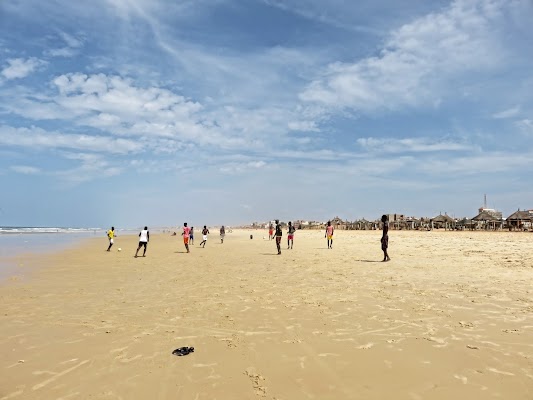
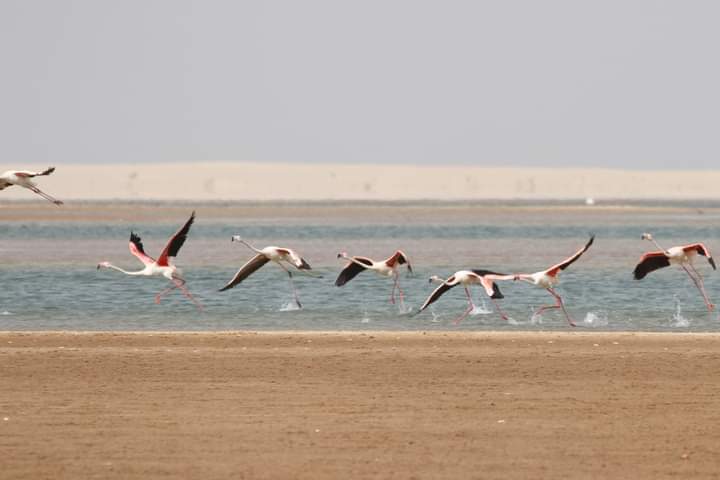

Frequently asked questions
How long is the Santo Antão Island Crossing drive?
The Santo Antão Island Crossing covers 50 km from start to finish.
How long does the Santo Antão Island Crossing take to drive?
Most travellers spend 1 day on the Santo Antão Island Crossing, depending on stops and pace.
When is the best time to drive the Santo Antão Island Crossing?
The recommended season for the Santo Antão Island Crossing is October to June.
Where does the Santo Antão Island Crossing start and end?
The Santo Antão Island Crossing runs from Porto Novo to Paul.
What are the main stops on the Santo Antão Island Crossing?
The Santo Antão Island Crossing passes through Porto Novo, Ribeira das Patas, Cova crater.
Can I drive the Santo Antão Island Crossing in a regular car?
Yes — the Santo Antão Island Crossing is paved end-to-end and a regular car is fine in normal conditions.
Is the Santo Antão Island Crossing safe to drive?
Roads are steep, narrow, and often cliff-lined, with sharp hairpins and occasional rockfall after rain. Drive cautiously, avoid night travel, and allow extra time for stops and slow local traffic.
What scenic tier is the Santo Antão Island Crossing?
The Santo Antão Island Crossing is a iconic drive — Iconic road trips that anchor a region's reputation — postcard scenery, headline highways, and the routes most travellers want to drive.